|
|||||||||
|
|
|||||||||
|
Bold Futures Monthly · October 2026 · First Issue THE ROAD SO FAR,
|
|||||||||
|
Anantika had less than thirty minutes. She had just heard one round of feedback on her pitch, and she decided to throw out her opening and start over. When she stood up at Demo Day, her story began with Joy, a student curious about microplastics who had nobody to guide her research. By the time she finished, one of our board members was pointing to Joy as the moment that made people want to help. That half hour is a small picture of what this issue is about. Bold Futures Academy was founded in March 2025, built on mentoring work that started a couple of years before. Along the way we have worked with more than seventy young people, from high school sophomores to college seniors, and we kept asking them the same thing: what do you need to be ready for what comes next? Here is what they told us. |
|||||||||
|
|
|||||||||
|
The journey so far BY THE NUMBERSFounded in March 2025. Less than two years later, this is what students, mentors, interns, and partners have helped us build.
|
|||||||||
|
|
|||||||||
|
From problems to ventures · LaunchLab WHAT STUDENTS CHOSE TO BUILD TELLS US SOMETHING ABOUT WHAT THEY SEE AROUND THEM.LaunchLab is our six-week program for high school students, and it uses entrepreneurship as the setting for future readiness. Students start with a problem they care about, talk to the people who live it, test their assumptions, make hard tradeoffs, build something real, and then explain what they learned. This fall's theme was Entrepreneurship in the Age of AI: The Human Advantage. On October 17, four founders pitched live to mentors, board members and guests.
|
|||||||||
Every one of the six confidence statements students rated on their first day went up by the final week.
Thank you to the mentors and co-facilitators who gave up their Saturdays: Tigist Belachew, Suraj Nellore, Anoushka Kunder, Maleekha Fong and Anna Thomas. Thank you also to our guest speakers Kevin Lederer, Ashwin Agarwal and Conor Twomey, CEO of AI One. Every student left with a named network of twelve adults they can reach out to. |
|||||||||
|
|
|||||||||
|
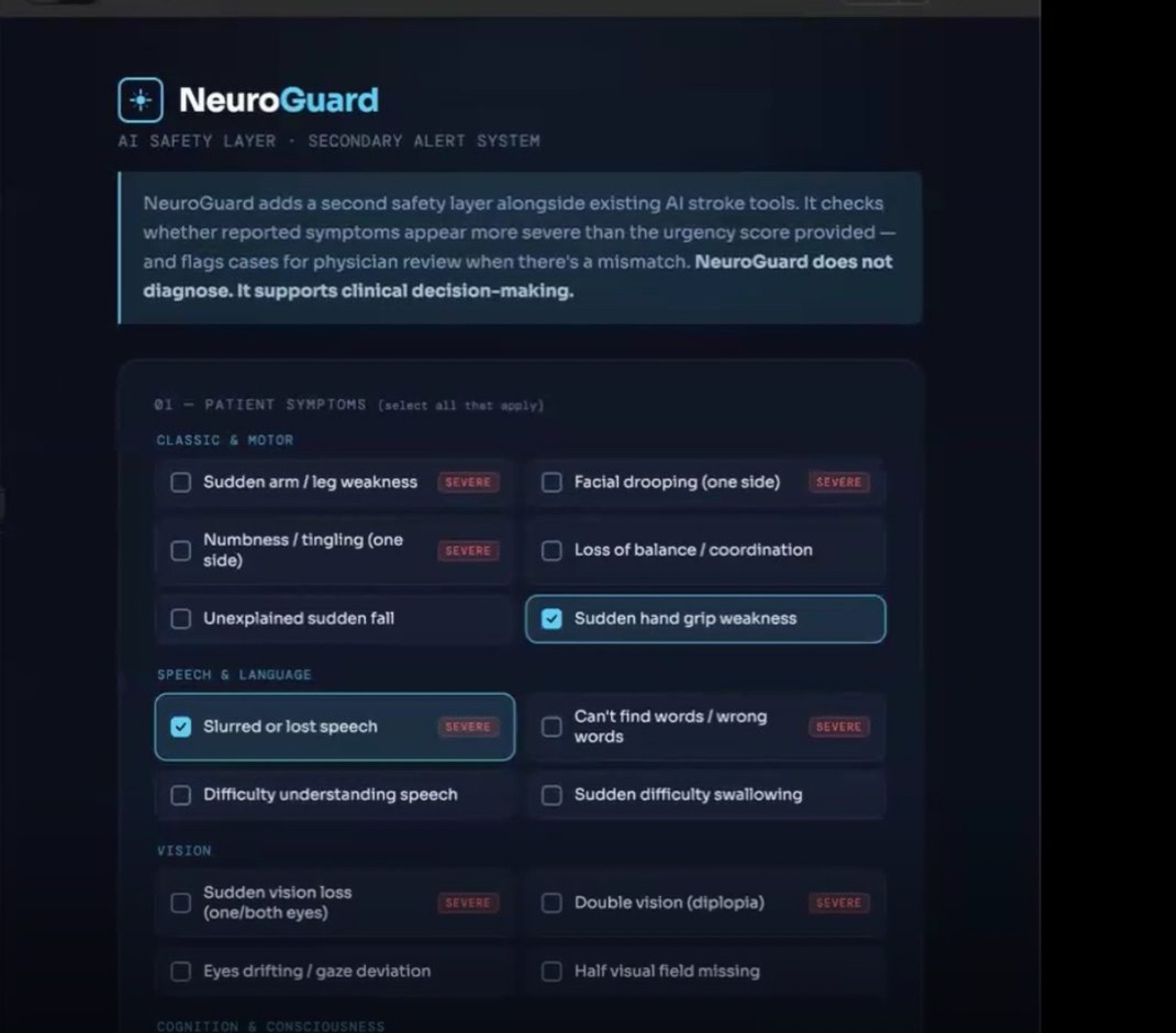
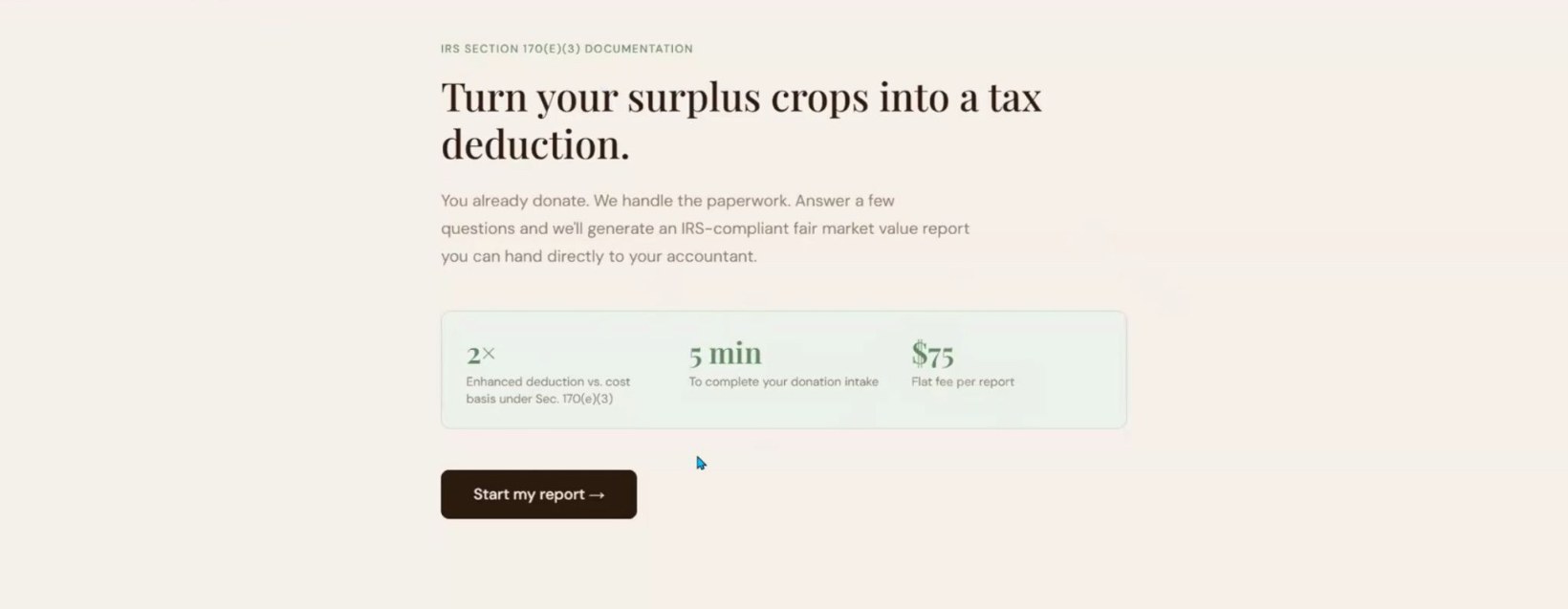
Spring LaunchLab · same learning arc DIFFERENT PROBLEMS. THE SAME PRACTICE.Our first cohort in the spring explored very different needs, including safety in stroke triage, documenting surplus-food donations, and cross-cultural learning to reduce bullying. The ventures changed from one cohort to the next, but the work underneath stayed the same. Students noticed a problem, understood the people living it, judged between ideas, built, tested and explained.
|
|||||||||
|
|
|||||||||
|
College programs WHAT COLLEGE STUDENTS TAUGHT US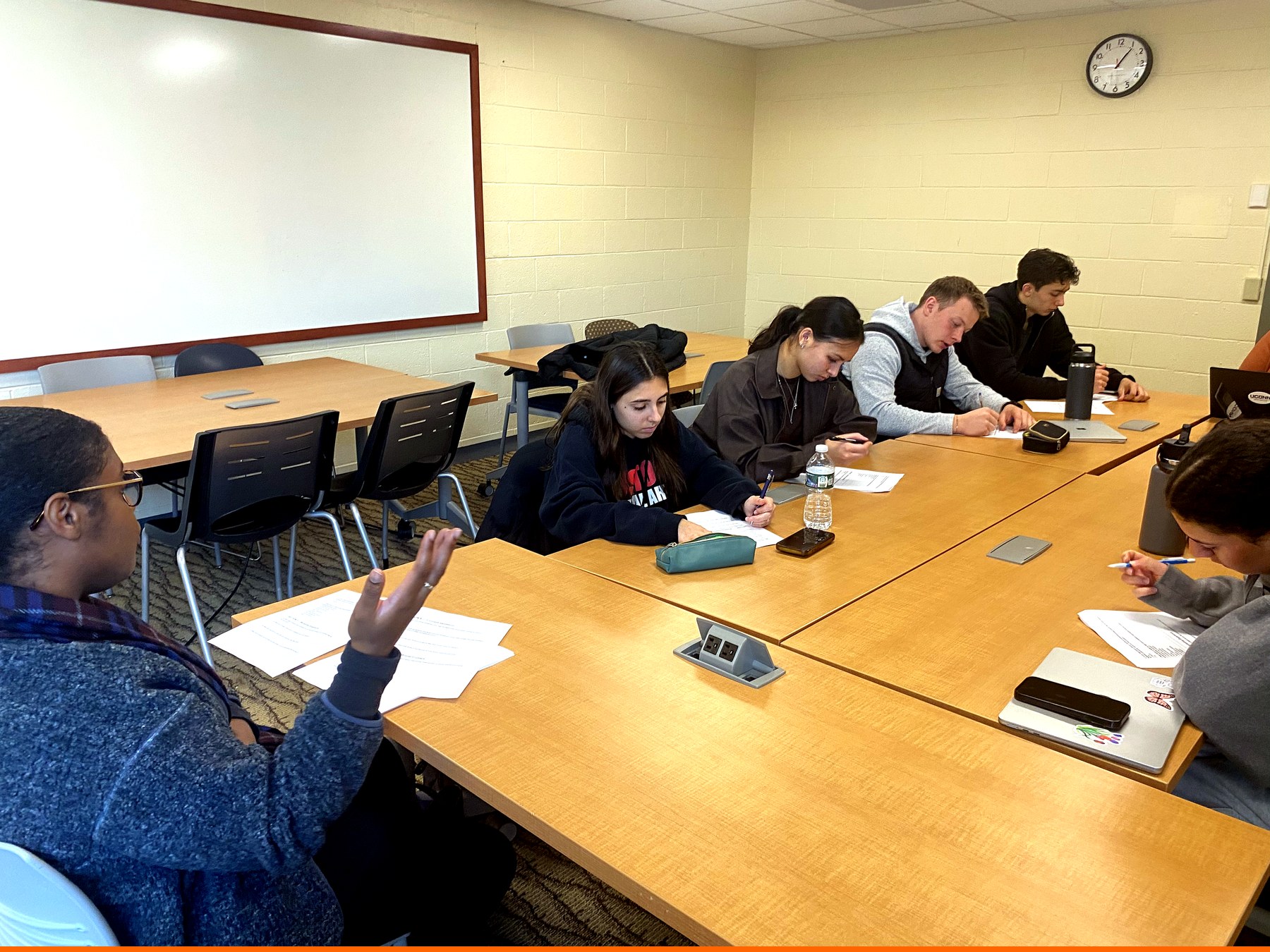
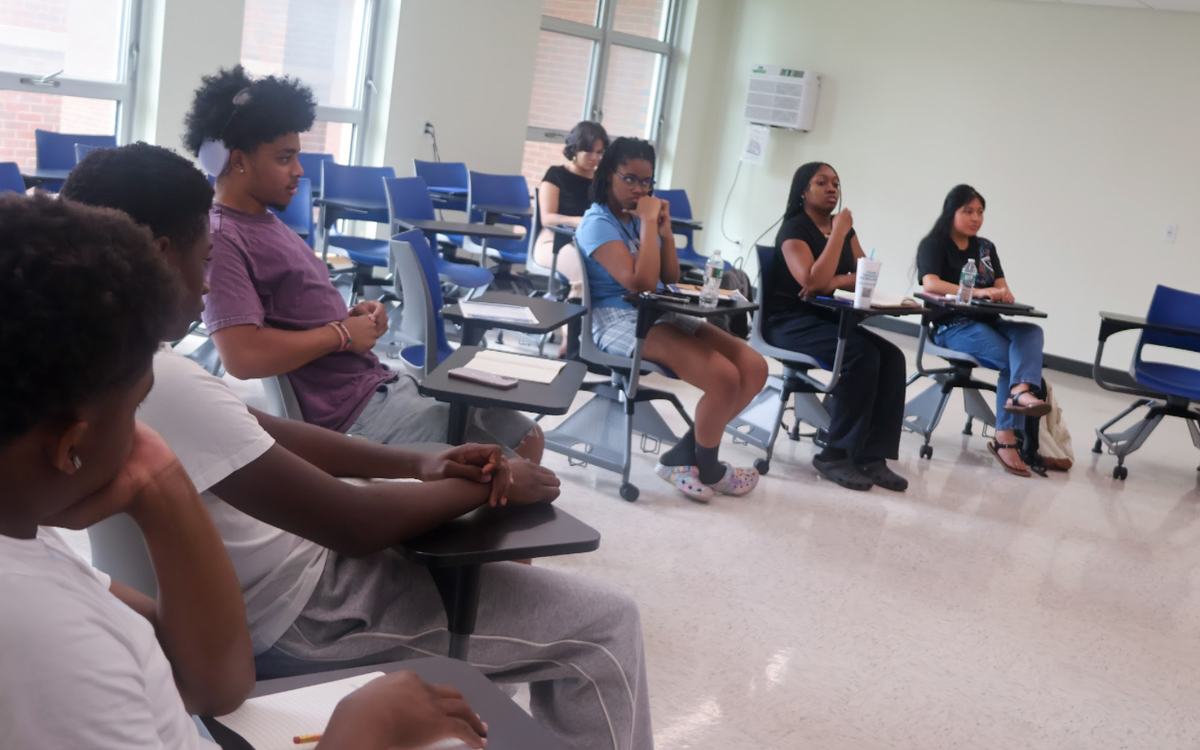
Students from UConn's Werth Institute for Entrepreneurship during a BFA workshop on campus, where our college work began. Our college work comes from two places: our partnership with UConn's Werth Institute and our first summer college internship. Together they gave us a clear picture of what students need once they are already in college and starting to think about work. Three years at UConnOur relationship with the Werth Institute began in September 2023, before Bold Futures Academy existed, when Ruth joined as an alumni mentor. It has grown to include fifteen one-to-one mentees, guest sessions with Werth Innovators cohorts, and feedback on students' final pitches each summer. Four mentees have rated their mentorship through UConn's own platform, eleven times in total, and every rating has been five stars. When we led a workshop with a Werth Innovators cohort last November, all seven students who filled out our survey said high school had not prepared them to think like a founder. Six of the seven said they would have joined LaunchLab if it had been there for them in high school. Asked what support they wished they had found earlier, one student wrote only this:
Our first summer internshipThis summer, eight college interns worked with us across three teams: operations, LaunchLab program delivery, and college partnerships. Their work was real. They took feedback from our spring cohort and turned it into changes our fall students actually felt, they rebuilt curriculum materials, and one intern built automations that now run our application intake. Five interns filled out exit reflections and rated the experience 4.8 out of 5.
They were honest with us, too. They asked for clearer roles from the first day and a steadier rhythm of one-on-one coaching, and both are part of how we will run the internship next summer. Listening to college studentsOur interns also ran empathy interviews with college students about what would make a program truly worth their time. The strongest thing we heard was simple. Students want a mentor who shows up and keeps showing up. They also want real work they can talk about in an interview, honest feedback on how to improve, and a clear sense of what they will walk away with.
|
|||||||||
|
|
|||||||||
|
Student story spotlight · Maleekha FROM MENTEE, TO INTERN, TO MENTOR.Maleekha Fong first met BFA as a UConn student learning to trust her own ideas. She came back this summer as a communications intern, and this fall she returned again as a LaunchLab co-facilitator, mentoring Niko all the way to Demo Day. On the day itself, Niko thanked her in front of everyone and said he could not have done it without her. 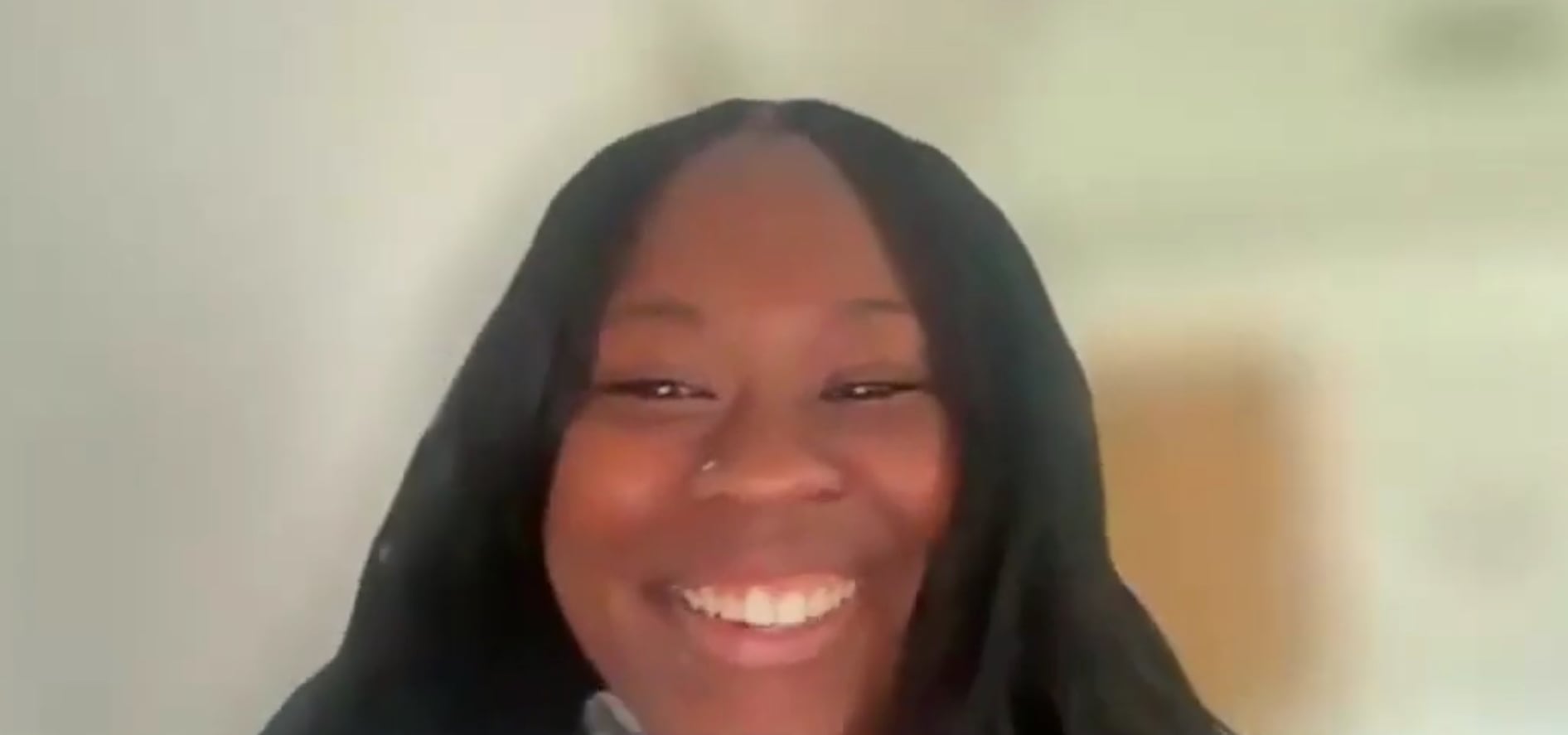
|
|||||||||
|
|
|||||||||
|
Beyond LaunchLab · Readiness in practice WHAT HAPPENS WHEN STUDENTS PRACTICE NAMING WHAT THEY ALREADY KNOW?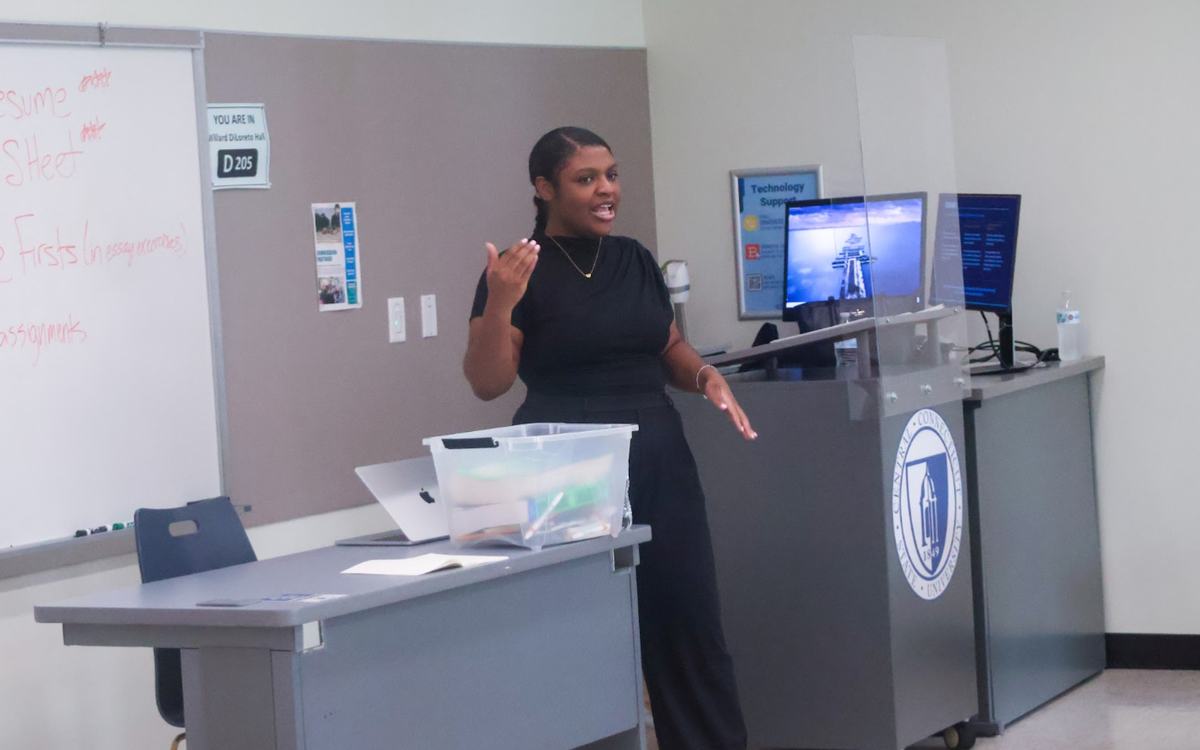
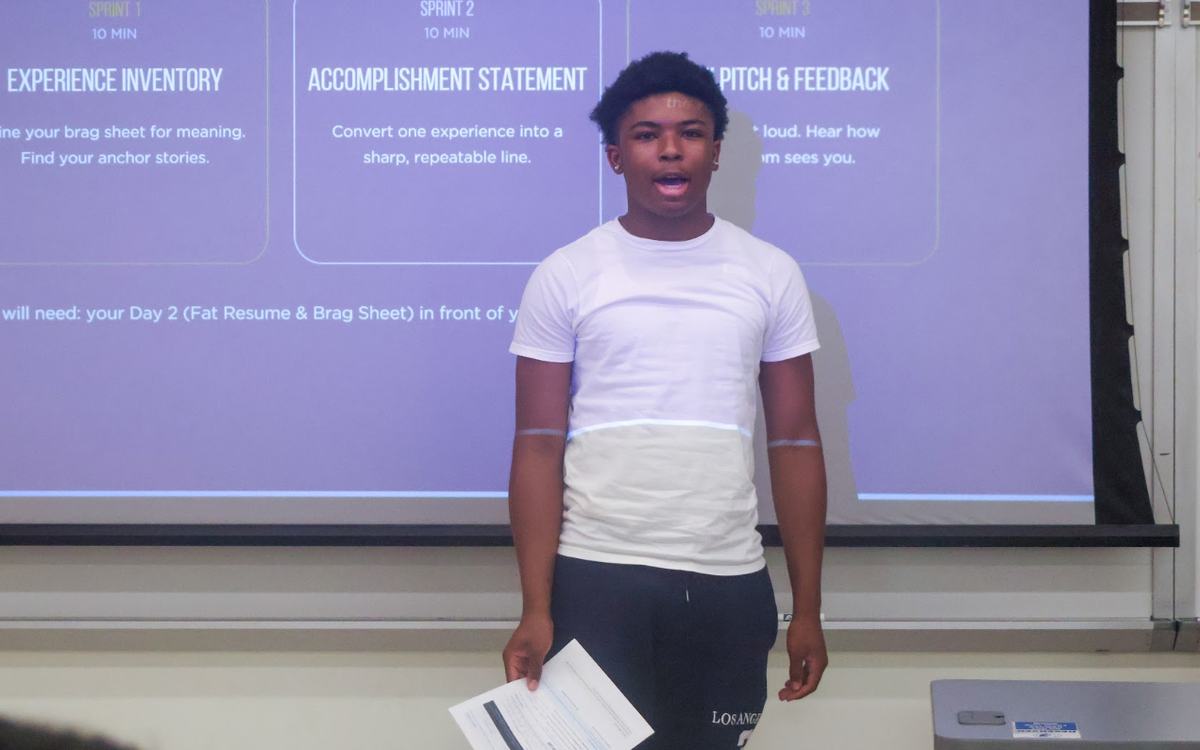
At a summer workshop with Hartford Youth Scholars at Central Connecticut State University, eight high school scholars mapped experiences they had already had, turned those experiences into accomplishment statements, and practiced pitching themselves out loud with live feedback. Their average confidence describing themselves rose from 3.5 to 4.1 out of 5 in a single hour. One student reflected, “My experiences can be small, they don't have to be big.”
|
|||||||||
|
|
|||||||||
|
What we heard HIGH SCHOOLERS AND COLLEGE STUDENTS, SIDE BY SIDE
A fifteen-year-old and a twenty-year-old described the same gap from different sides. Neither one was short on ability or ambition. What they were missing was a person to ask and a clear next step. |
|||||||||
|
|
|||||||||
|
What we are learning POTENTIAL IS NOT THE PROBLEM. PREPARATION IS.Information is not the same as navigation. Young people can have more information than ever and still need help deciding what matters, what fits and what to do next. Real work reveals capability. Building, presenting, getting feedback and being responsible for an outcome gives students evidence about themselves. Experience needs reflection. An experience becomes useful when a student can name what changed and carry that learning forward. Relationships carry the work. Students kept naming mentors, speakers and conversations as what made the biggest difference. |
|||||||||
|
|
|||||||||
|
Board spotlight HELPING BFA TELL THE STORY BETTER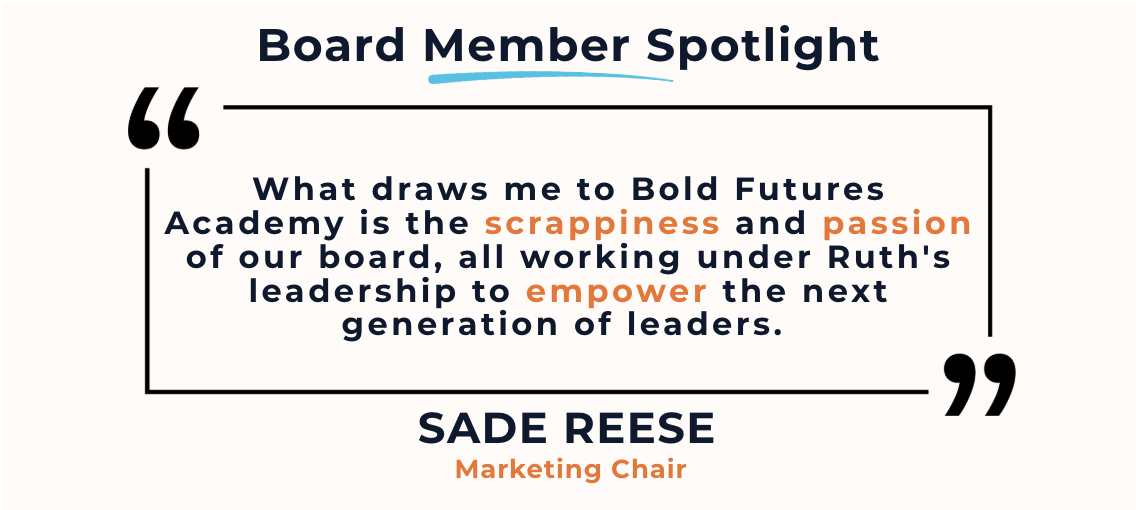
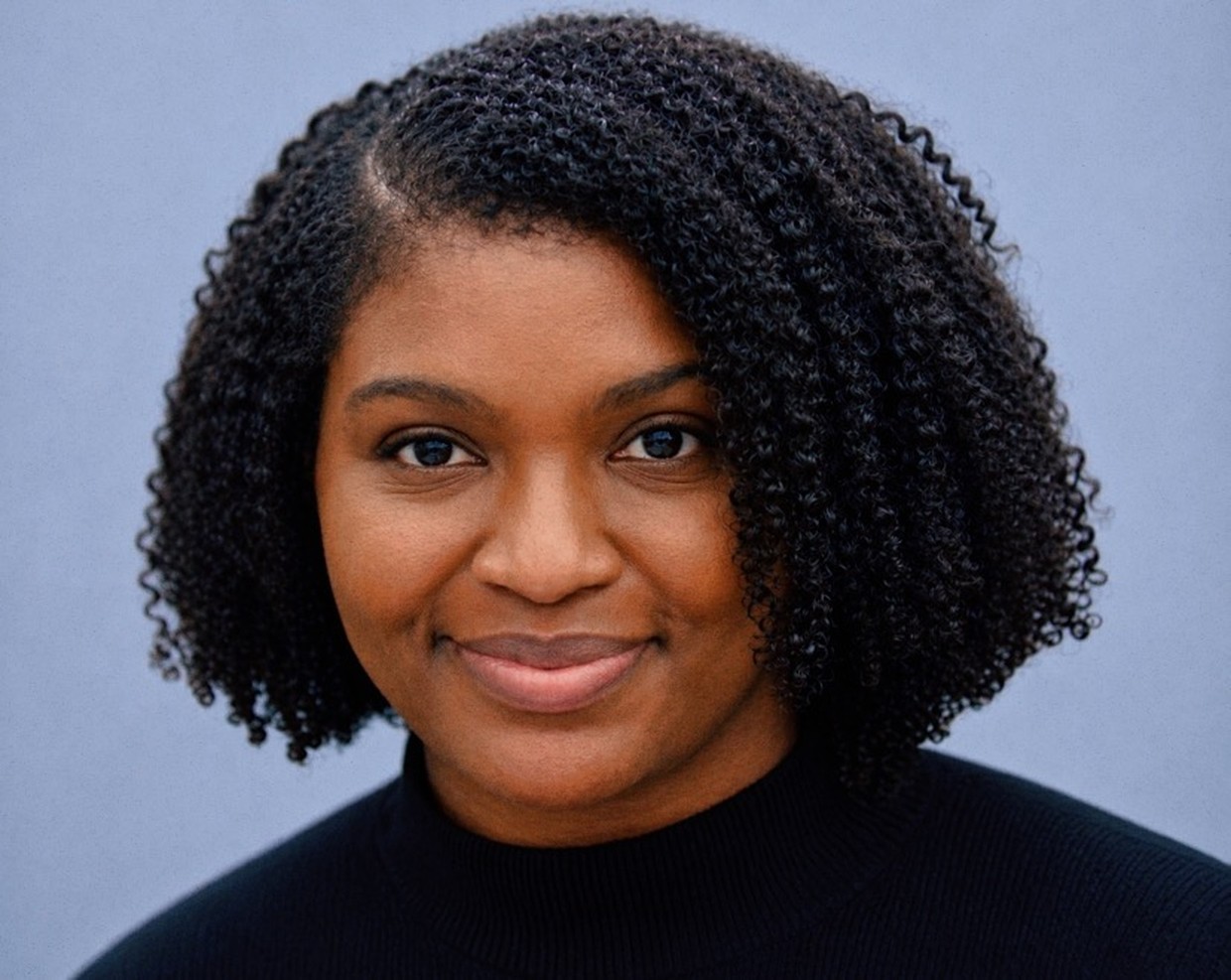
This newsletter began over the summer with Maleekha Fong, then a BFA communications intern, who started building the foundation for how we could regularly share the work. Sade helped carry that foundation forward through her board service and her support of BFA's marketing and storytelling. The issue you are reading now is the next iteration of what they started. We are grateful to Maleekha for getting the newsletter moving and to Sade for helping strengthen and sustain it as BFA grows. |
|||||||||
|
|
|||||||||
THE SAME QUESTION, AT EVERY AGEAt the start of Fall LaunchLab, our students brought the question so many adults are carrying right now: what happens to my future in a world changing this quickly, especially as AI reshapes what work looks like? Six weeks later, all four told us that worry had eased. Nobody promised them the future would be predictable. They had spent six weeks practicing judgment, empathy, leadership and honest feedback, and they could see those skills becoming more valuable as technology speeds up. I heard a version of that same question everywhere this year. In July, a high school senior in Hartford wrote on her reflection card that her school does not try to help students with the future, and that it is hard having to figure everything out by yourself. Over the summer, a college student told our interns she wished someone had built a bridge of connections for her. And near the end of LaunchLab, one of our founders, someone who had just built a working product, told us they still did not have an adult they could ask for help with an idea. Those young people are at very different points in their lives, but they were asking for the same thing. They wanted someone in their corner, and a way to turn what they had already done into their next step. Honestly, that is why I am grateful we spent so much of 2026 listening. We worked with high school students in LaunchLab and in Hartford, and with college students at UConn and in our internship. We also sat down with families, universities, nonprofits and companies, and everyone described the same gap from where they stand. It changed the question for me. Maybe readiness is not knowing exactly what is coming. Maybe it is building enough self-understanding, judgment, real experience and relationships that you can keep moving when the map changes. What we are working on now is how to stay with students longer, so a strong six weeks turns into a real next step. I will share more about that in January, along with a look back at the full year. Thank you for reading and for showing up for these students. If any of this connects with you, I would really love to hear from you. Just write to us at admin@boldfuturesacademy.org. |
|||||||||
|
|
|||||||||
|
There is a place for you in this work HELP US BUILD WHAT YOUNG PEOPLE NEED AROUND THE OPPORTUNITY.Our programs are free for students, and we want to keep it that way. Going into 2027, we are looking for people who can strengthen the work around our programs, not only inside them. Skills-based volunteers: operations, research, interviewing, partnership development, communications and other practical skills that help a small team do more. Mentors: professionals across industries who can help young people understand a field, test ideas, make sense of feedback and grow their networks. Partners: companies, universities, schools, youth organizations and community groups willing to open doors, sponsor experiences, collaborate on research, or help us reach young people who already trust them.
|
|||||||||
|
Bold Futures Academy Preparing young people for their futures, whatever path they choose. 153 Turner Road, Rockland, MA 02370 · A 501(c)(3) nonprofit, EIN 33-3751028 |