Understand Self
Name strengths, interests, values, experiences, working preferences, and questions worth testing.
Starting point: a clearer self-profileBold Futures Academy helps young people understand themselves, practice the capabilities every path requires, and learn from real experience before the stakes get higher. College, a trade, a job, or a business of their own.
Young people are expected to make consequential decisions about education, work, and opportunity while they are still learning what fits them, what different paths actually require, and how to turn experience into evidence they can use.
These are independent national signals, not BFA outcome data. See how BFA arrived at the problem →
The issue is not a lack of ambition or potential. It is that preparation is too often fragmented: self-understanding in one place, career information in another, real experience somewhere else, and too little help connecting what a young person learns into a stronger next decision.
Explore the research journey →AI can make information and polished output easier to produce. That makes human judgment more important, not less: knowing what problem is worth solving, what information to trust, what fits you, what needs verification, how to work with people, and when you are accountable for the decision.
BFA helps young people build that readiness before the next transition—not after they are already inside it.
The future is not one-size-fits-all, so preparation should not be either. We help young people build the self-awareness, capabilities, and experience to navigate whatever comes next. The path they choose is theirs. More than seventy young people so far, every number documented.
Four things we build around.
The Bold Futures Navigator puts language to what a student is good at, how they work with people, and what drives them. A starting map, not a verdict. Required for LaunchLab and Ignite applicants, and most have never been asked before.
Speaking up when something is at stake. Working with a team. Following through when the work is hard. Handling money. Reading an opportunity. Practiced out loud, not lectured.
Students explore through increasingly real experiences: building a venture through LaunchLab, navigating the college-to-work transition through Ignite, completing an internship, meeting people in fields they are considering, or using specialized resources from a partner. We do not push one path over another.
Students name what each experience taught them, build evidence of what they can do, strengthen useful relationships, and decide what to do next. Reflection matters because an experience only becomes useful when a young person can carry the learning forward.
This is not a four-step checklist. Young people move through these ideas repeatedly: experience changes what they know about themselves, which changes what they explore and what they try next.
The offerings below are different ways this model comes to life. Ignite and LaunchLab are named programs; Future Readiness is a cross-cutting body of work that also supports partner programs. A student does not need every offering. BFA builds readiness, reflection, and relational support around the journey, while partners extend it with specialized resources, training, and opportunities.
1:1 entrepreneurial mentorship for students actively building or refining ventures
College navigation, career preparation, interview practice, self-pitching, and transition support
Workshops and guest speaking on entrepreneurship, business ideas, and what it takes to build in the real world
Helps young people understand themselves, communicate clearly, navigate opportunities, adapt, make decisions, and prepare for changing education and work environments
Can be integrated into mentoring, internships, youth programs, college programming, or other developmental experiences
Built from lessons across BFA workshops, Ignite, LaunchLab, mentoring, and internship work
Virtual delivery · open nationwide · 10 seats per cohort
Noticing problems · live simulations · entrepreneur speakers · real tradeoffs
Human-centered design · ethical decision-making · real business planning
Every student works on their own individual venture from Week 1
Verbatim. Unedited. The words of students from BFA's Ignite and LaunchLab programs.
One of those students is now teaching the next cohort. Maleekha Fong met us as a first year unsure her ideas were worth pursuing, and returns to LaunchLab this fall as a co-facilitator and mentor.
Read Maleekha’s story All student storiesOur early evidence matters most when it changes what we do next. Across mentoring, workshops, internships, student interviews, and LaunchLab, we keep asking the same question: what did young people experience, what did it reveal, and what should we change because of it?
The full Impact & Learning page follows the evidence source by source—from UConn and college-student interviews to Hartford, our summer internship, and LaunchLab—and shows what each one changed.
See what we’re learning →Ten seats, ninety minutes, and one honest question about how young people get ready for what comes next. Young people, families, educators, employers, nonprofits, researchers, and community leaders answer it at the same table, and students are in the conversation rather than in the audience.
Too many conversations about young people happen without them, and people working on the same problem rarely hear the full picture together. The Roundtable creates one place to listen across generations, surface what is being missed, and build relationships around possible action.
Bring the people closest to a problem into one room, name what has gone unaddressed, and move on it together.
Your support helps BFA create experiential programs, recruit mentors and professionals, strengthen student follow-through, and connect young people with the people and opportunities that can move them forward.
501(c)(3) · EIN: 33-3751028 · All contributions tax-deductible
Student, school, mentor, partner, or funder. Find the seat that fits you.
BFA offers different entry points for different stages: entrepreneurship for high-school students, mentoring and career-readiness support for college students, and readiness support that BFA is continuing to develop through mentoring, workshops, internships, and partner experiences.
Six weeks. One idea. One real plan.
Ten seats per cohort, and every student builds their own venture, not a team project and not a hypothetical. From Week 1, it is your actual idea. You finish with a business plan, a tested prototype, a pitch deck, and a Demo Day pitch in front of real mentors. Cohorts run a few times a year and the application stays open between them, so you can apply whenever you are ready and we will be in touch as soon as the next dates are set.
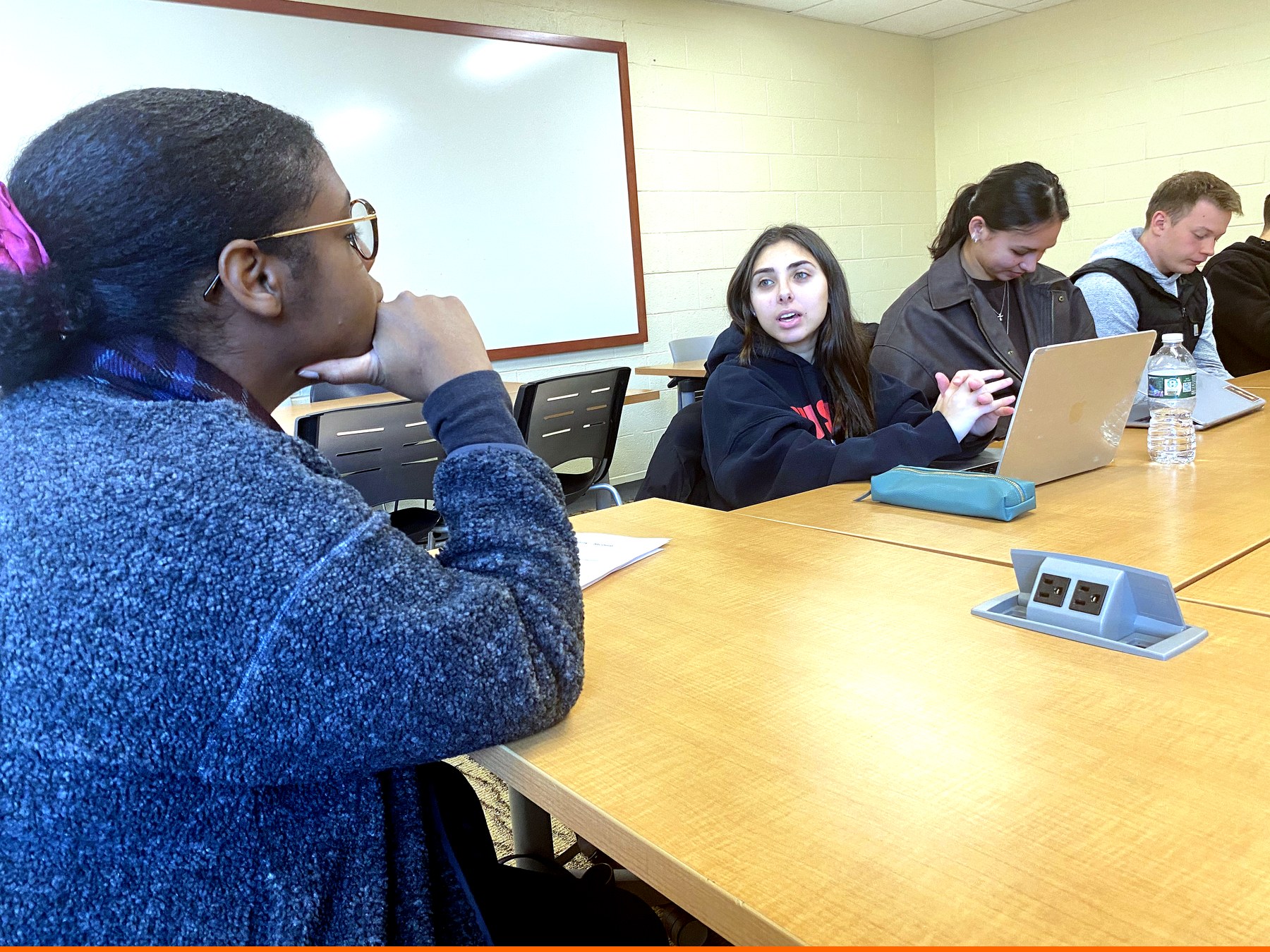
Most high school entrepreneurship programs cover the basics. LaunchLab follows one learning arc: notice a real problem, understand the people it affects, generate and judge possibilities, lead through tradeoffs that cost something, build and test, then reflect and make the case out loud. It is the same developmental model behind everything we run, pointed at building a venture.
Students learn to look closely at the world in front of them, ask sharper questions, and commit to a real problem before reaching for a solution or a tool.
Students talk to and observe the people a problem actually affects, so what they build answers a real need instead of an assumption they never checked.
Students practice producing far more possibilities than they need, then judging them honestly against evidence, constraints, and who would be affected. Working entrepreneurs join live, failures and pivots included.
Blind case studies and live simulations where every option carries a real cost. Students make the call, defend it, then compare their thinking to how a founder actually handled the same problem.
Students prototype, test with real people, and revise based on what the test actually said rather than what they hoped it would. AI sits inside their judgment, never in place of it.
Students put words to what each week taught them, build evidence of what they can do, and pitch it at Demo Day to mentors who answer honestly. Every major choice along the way is examined through an ethical lens.
Six students enrolled, four built ventures, and three pitched at Demo Day. We report those numbers exactly as they are.
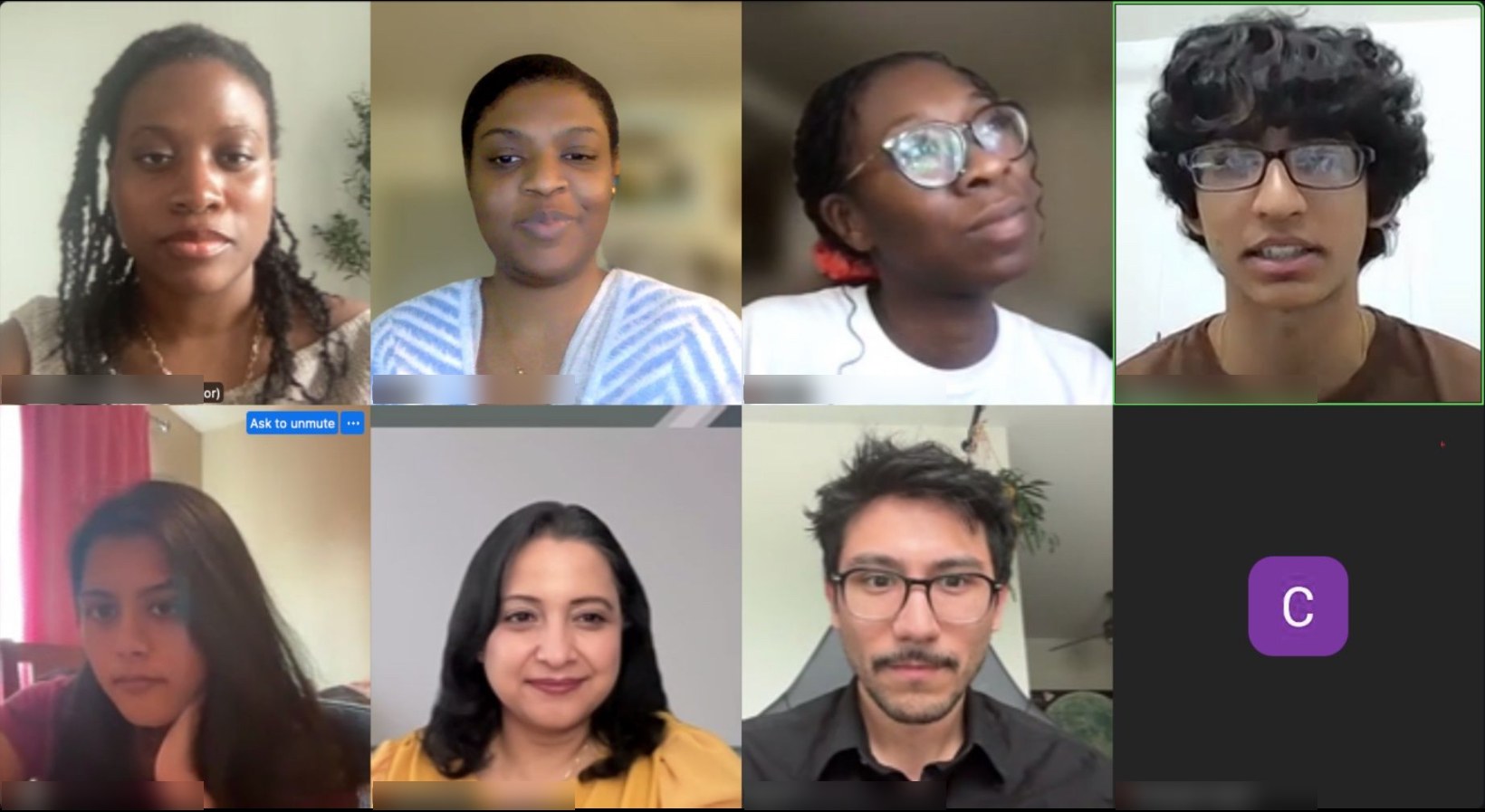
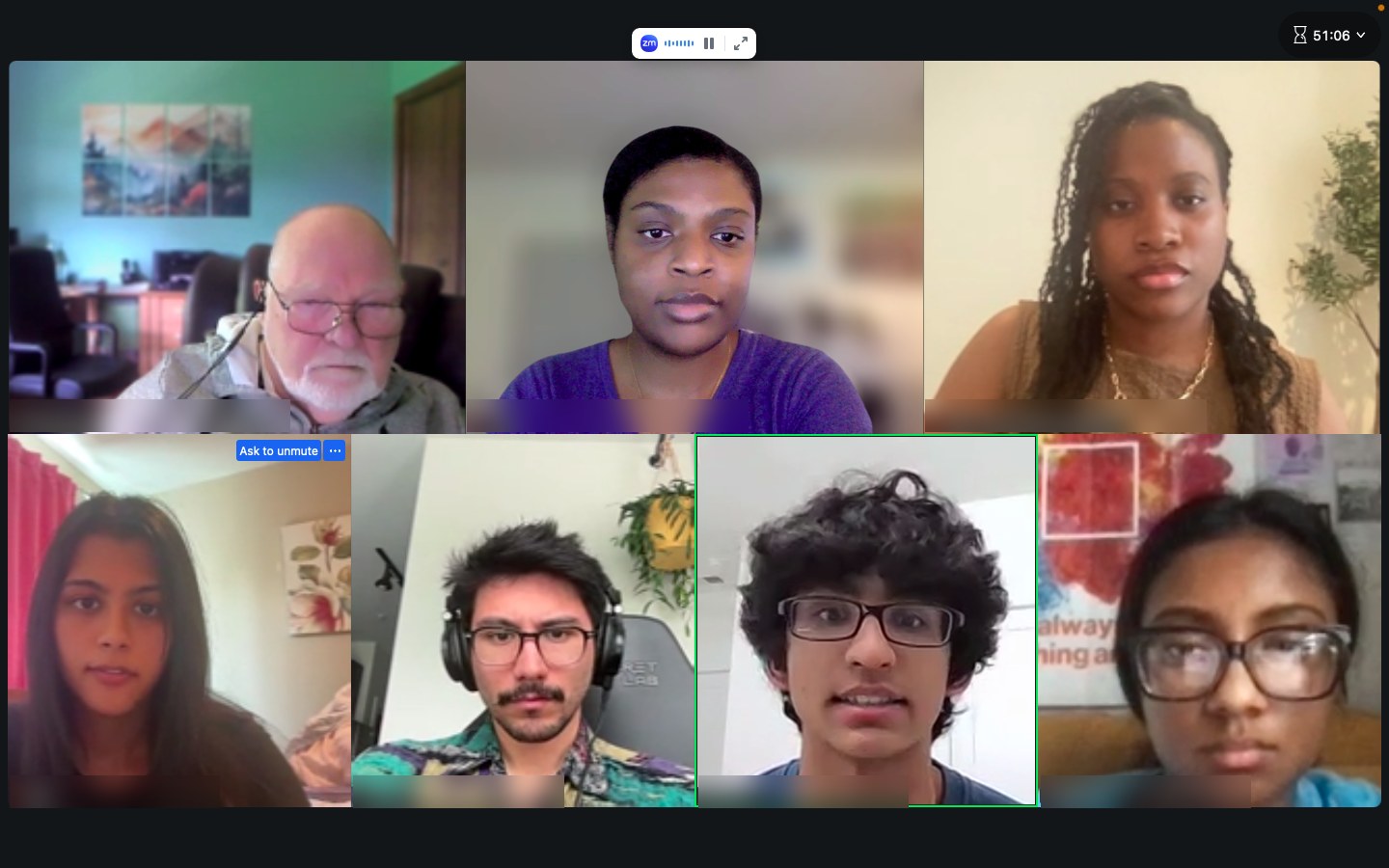
“Before LaunchLab, I thought entrepreneurship was strictly building a business. Now I think entrepreneurship is building an idea with purpose to help other people.”
Anonymous Founder, Spring 2026
College Mentorship & Transition Support
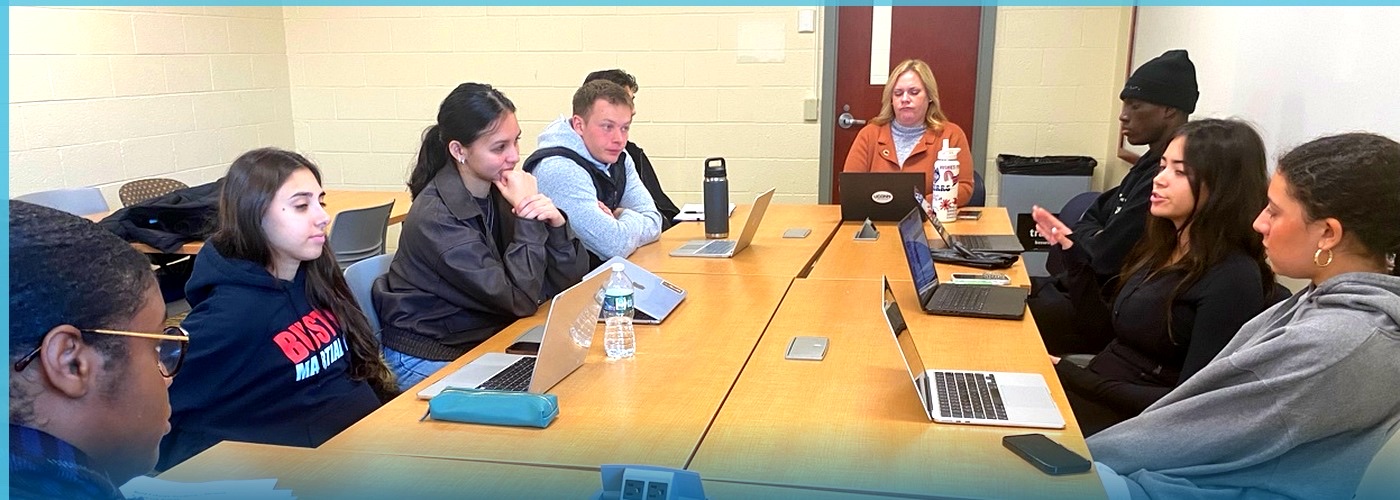
Ignite supports college students as they build ventures, navigate college, prepare for internships and interviews, and make the transition out of undergrad. Support is flexible, relationship-centered, and organized around the student's actual next step.
Build, test, or strengthen a business idea with 1:1 support.
Make stronger decisions about relationships, opportunities, and the college experience.
Prepare for interviews, professional communication, internships, and life after college.
Get practical feedback and guidance through entrepreneurship workshops and focused readiness experiences.
Future readiness is the developmental work BFA weaves across programs, mentoring, workshops, internships, and partner experiences. It helps young people understand themselves, communicate, exercise judgment, adapt, navigate opportunity, and prepare for education and work in an AI-shaped future. With partners, we start with the young people and the gap—not a fixed product—and shape the right combination of tools, practice, reflection, and support.
Readiness is woven through BFA experiences rather than confined to one standalone program.
We can strengthen readiness inside youth programs, internships, college experiences, and other existing structures.
Students practice, gather evidence, reflect on what happened, and carry the learning forward.
The capabilities stay durable while the situations change by age, setting, transition, and partner need.
These capabilities reflect the readiness work BFA has been developing across workshops, mentoring, programs, and real experiences. A partnership may emphasize different capabilities depending on the students and the context.
How do I understand myself well enough to make better choices and work well with others?
Strengths, values, working style, patterns, and how you tend to show up with other people. The Bold Futures Navigator can give students language for this. BFA is exploring how more sustained readiness support could help them test that understanding through action.
How do I communicate clearly when something is at stake?
Communication, listening, asking for help, giving and receiving feedback, difficult conversations, disagreement, boundaries, and basic negotiation.
How do I contribute when success depends on other people too?
Collaboration, leadership, trust, accountability, role clarity, and group decisions. Participants learn about themselves as teammates and leaders by doing it.
How do I keep moving when the work is hard, unclear, boring, or changing?
Motivation, initiative, adaptability, resilience, priorities, and follow-through. We teach and practice the actual behaviors behind self-management.
How do I make better money decisions as my responsibilities grow?
Tradeoffs, spending, saving, banking, a first paycheck, credit, taxes, benefits, and longer-term planning, with complexity matched to age.
How do I recognize, evaluate, and act on an opportunity?
Recognizing an opportunity, evaluating fit, comparing tradeoffs, spotting what you still need to find out, asking good questions, and taking a next step. Partners provide the deeper pathway exploration; we build the capability to navigate it.
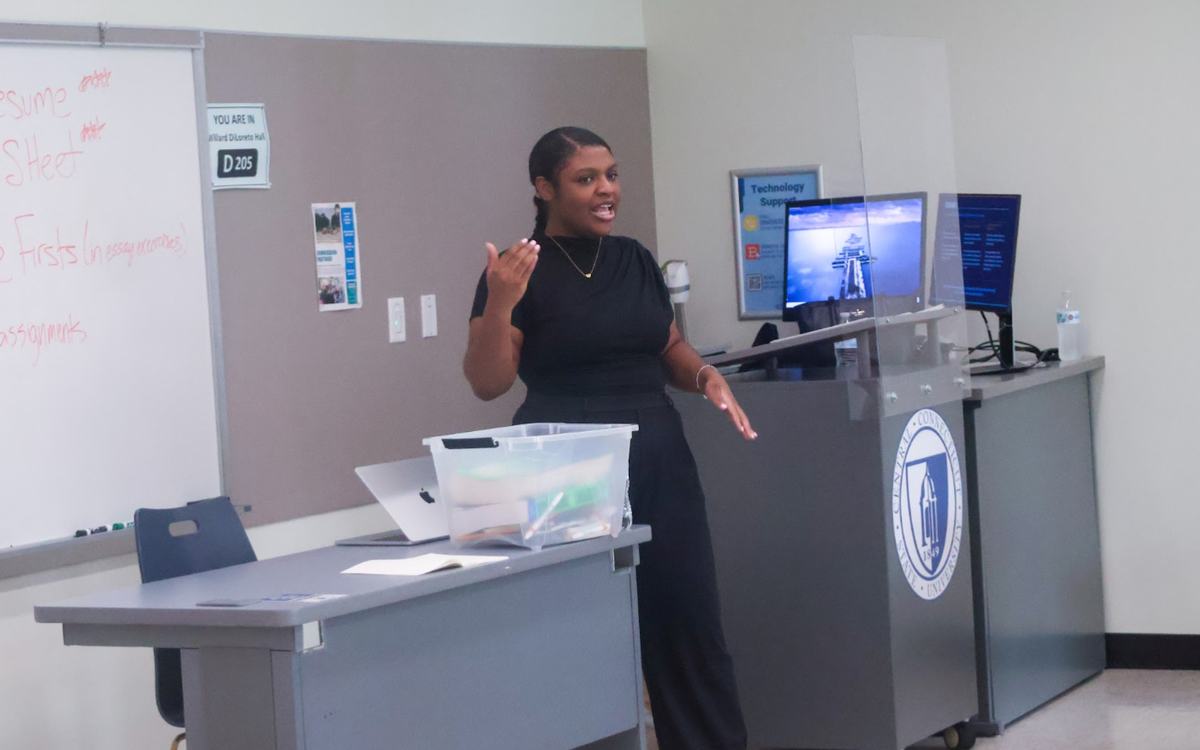
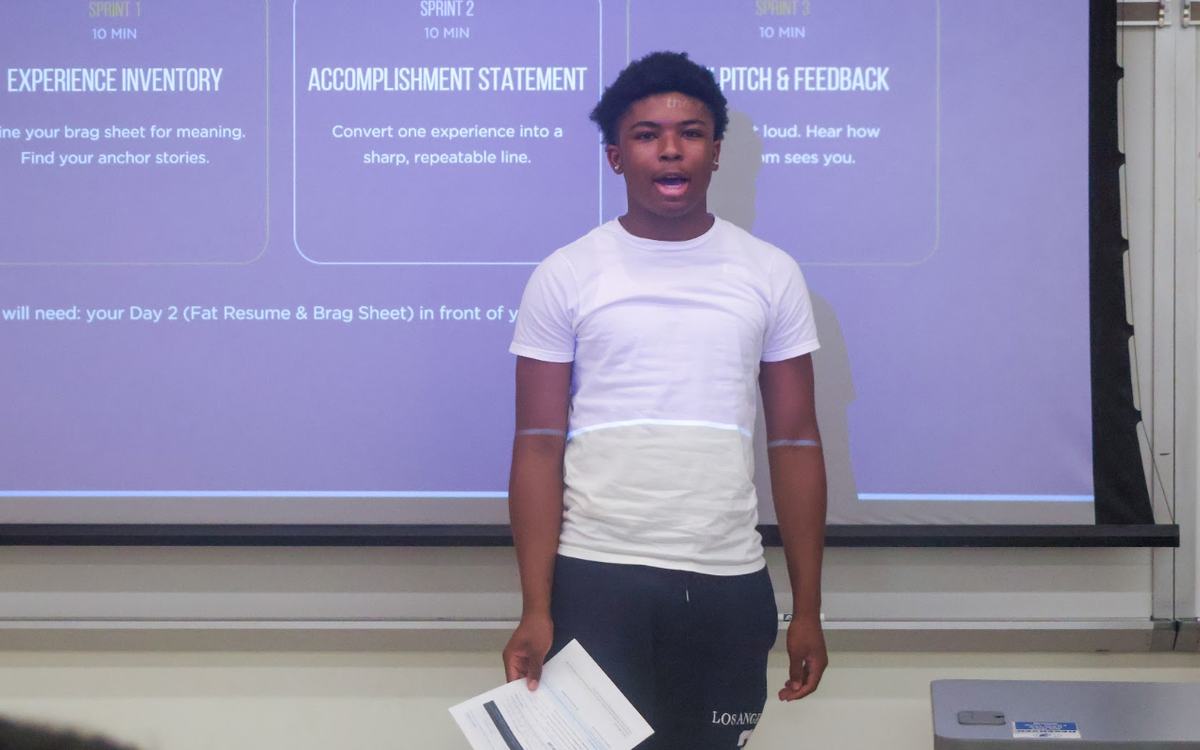
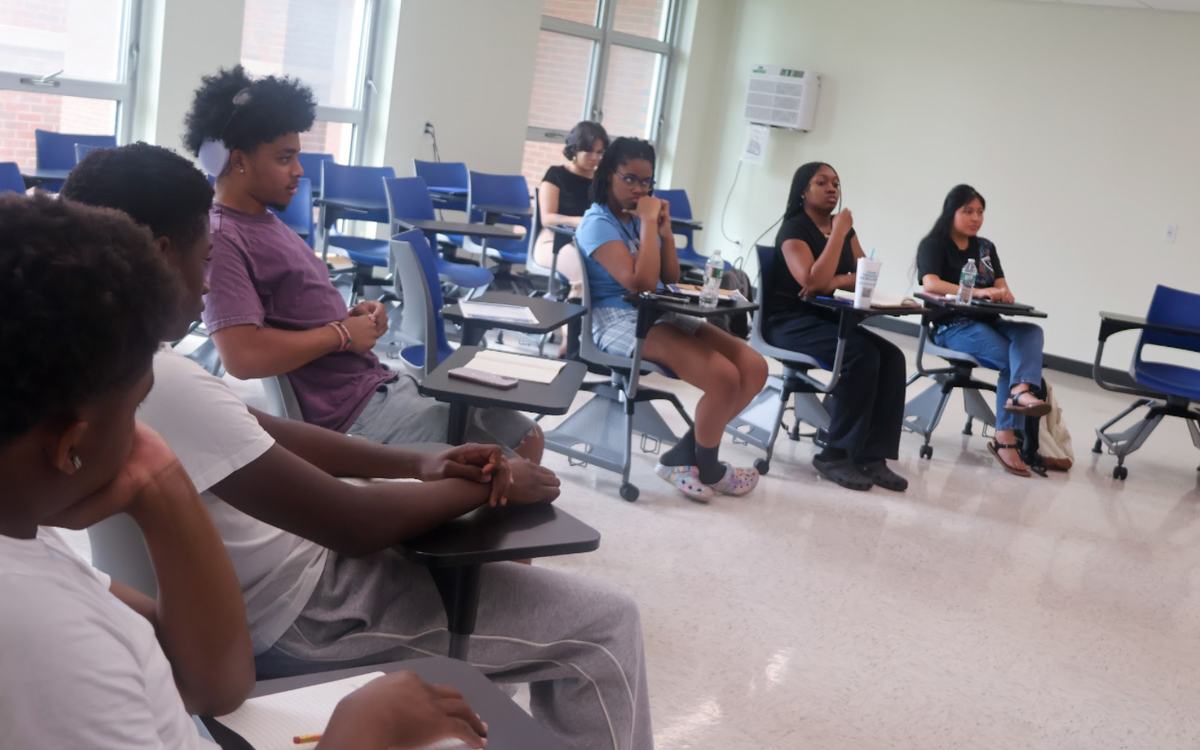
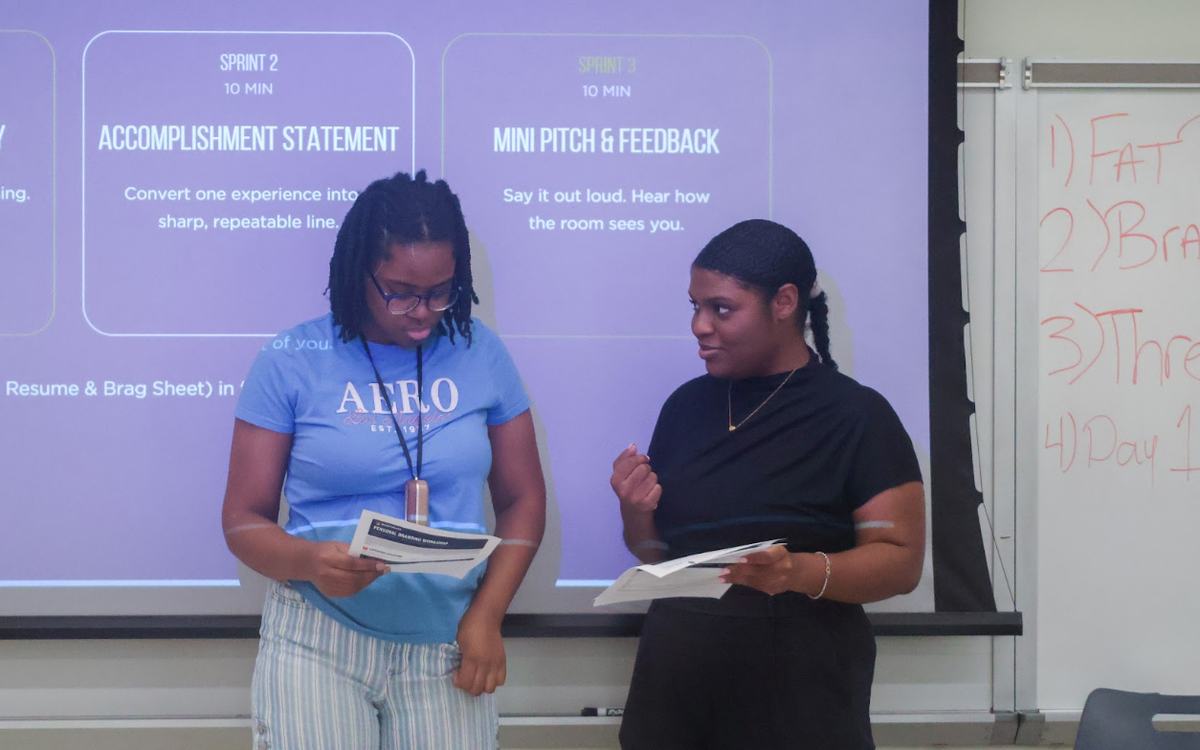
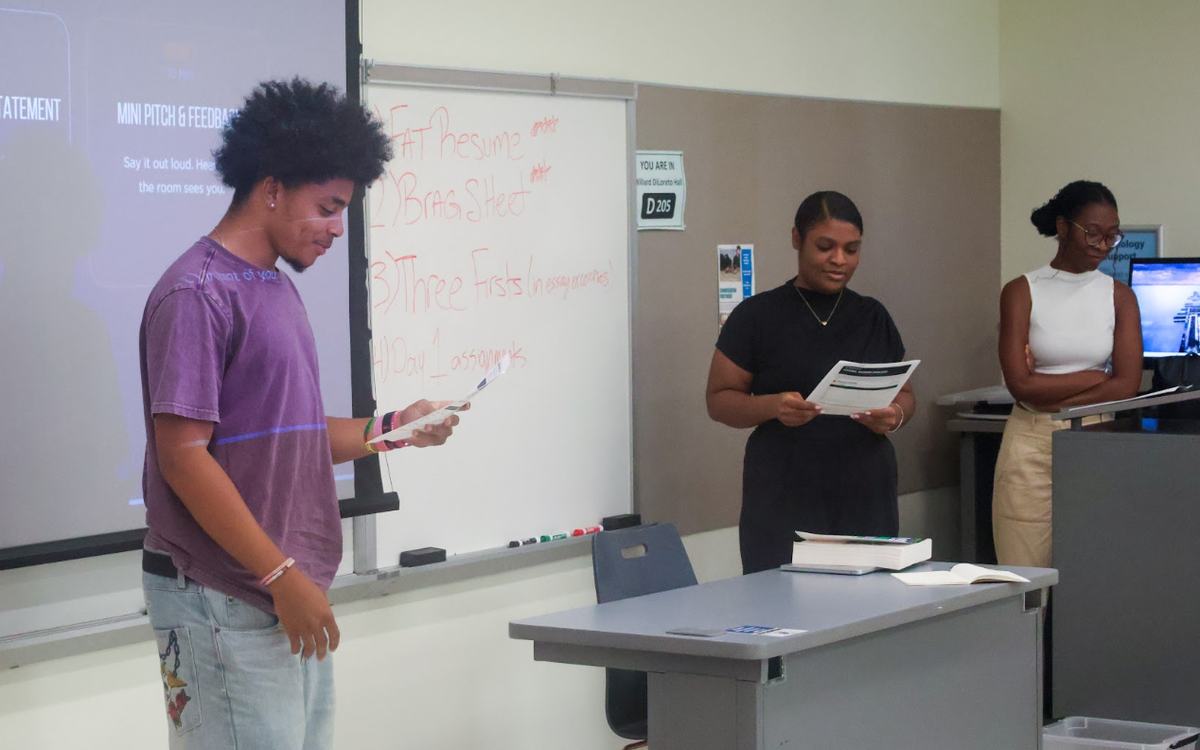
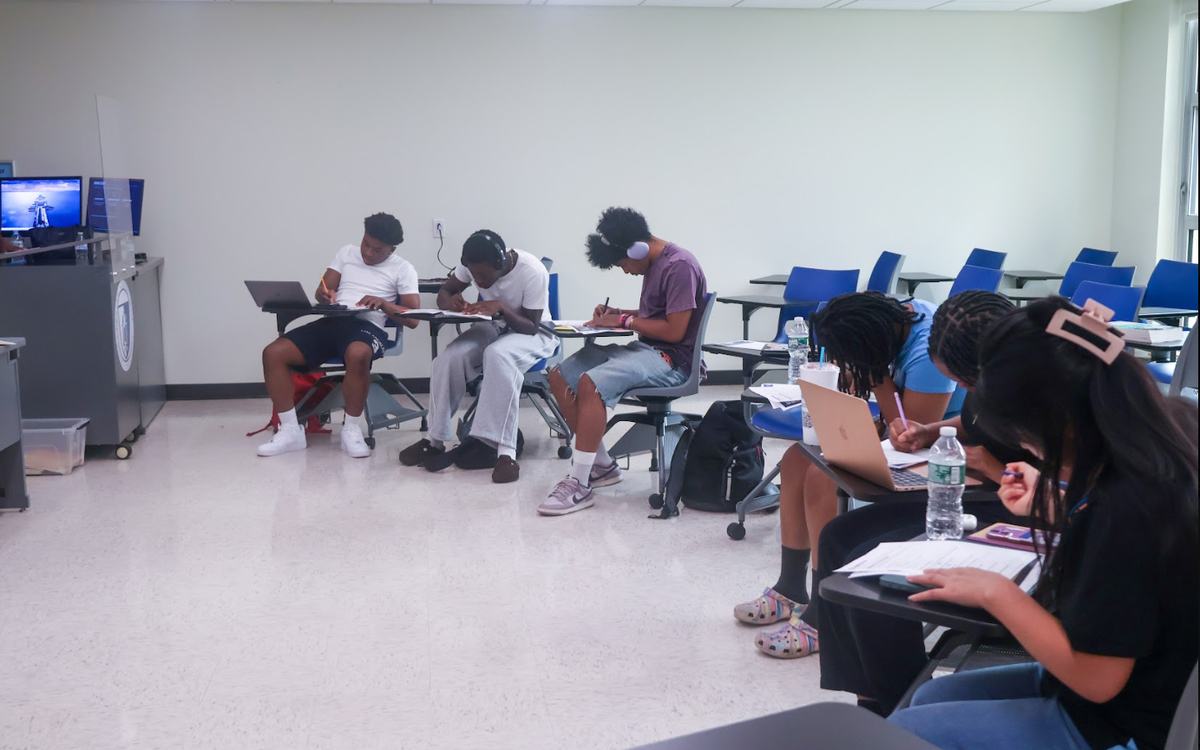
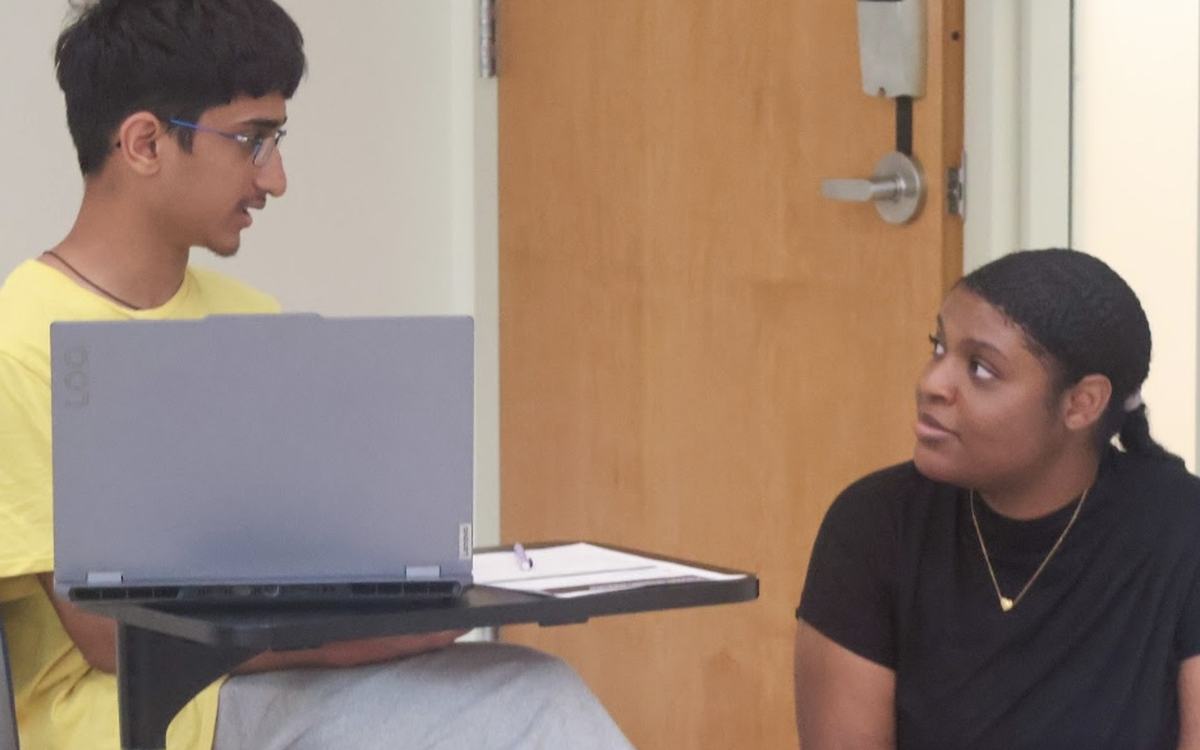
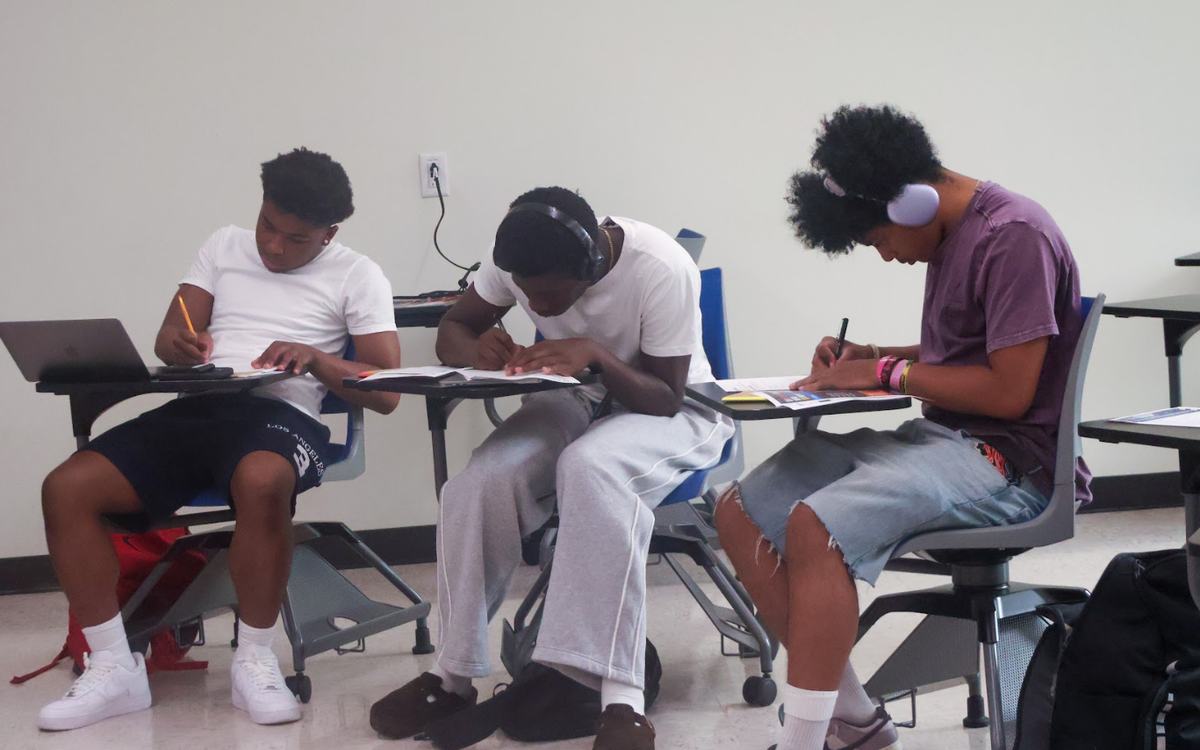
Personal Branding Workshop with Hartford Youth Scholars at Central Connecticut State University.
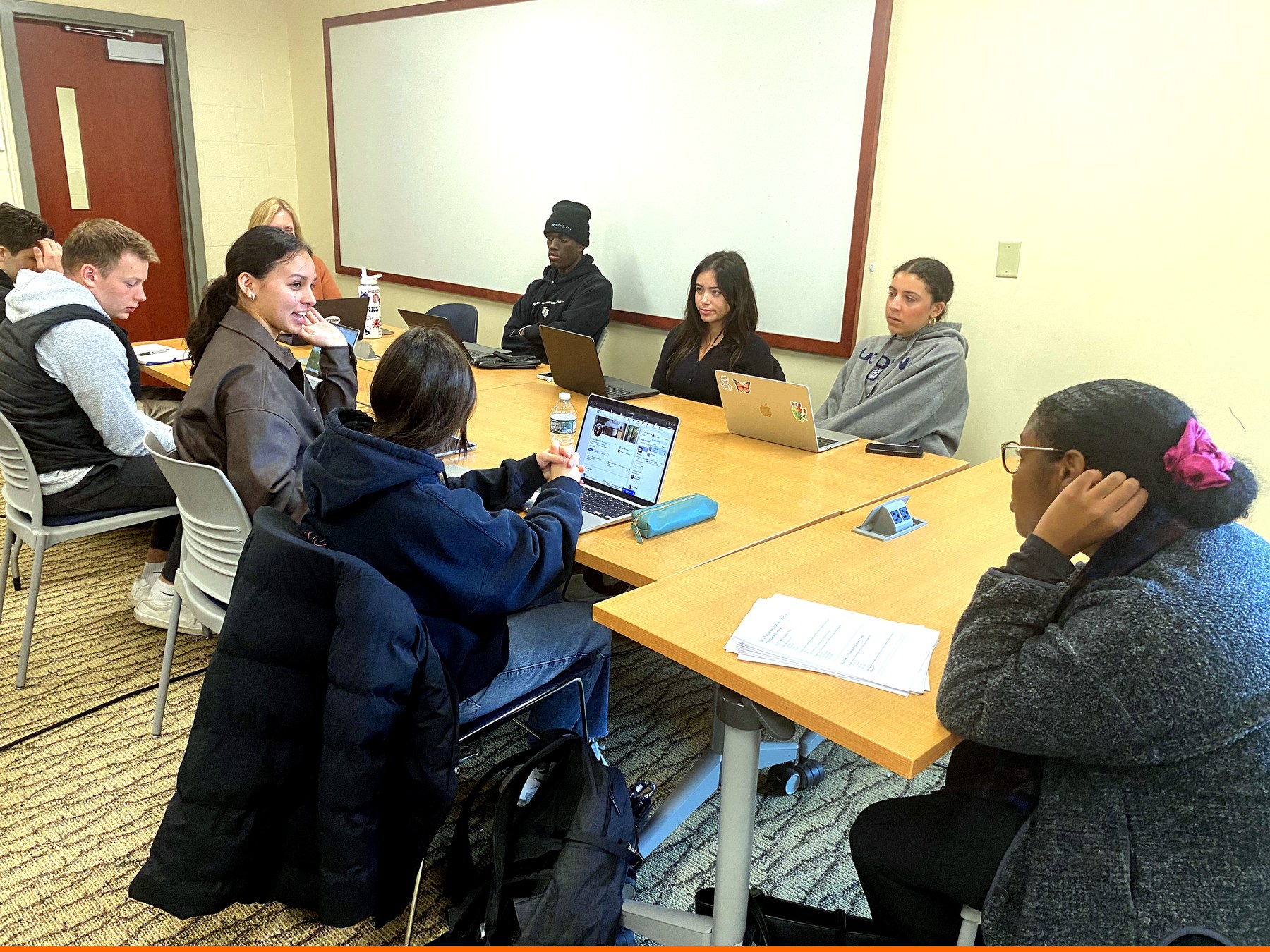
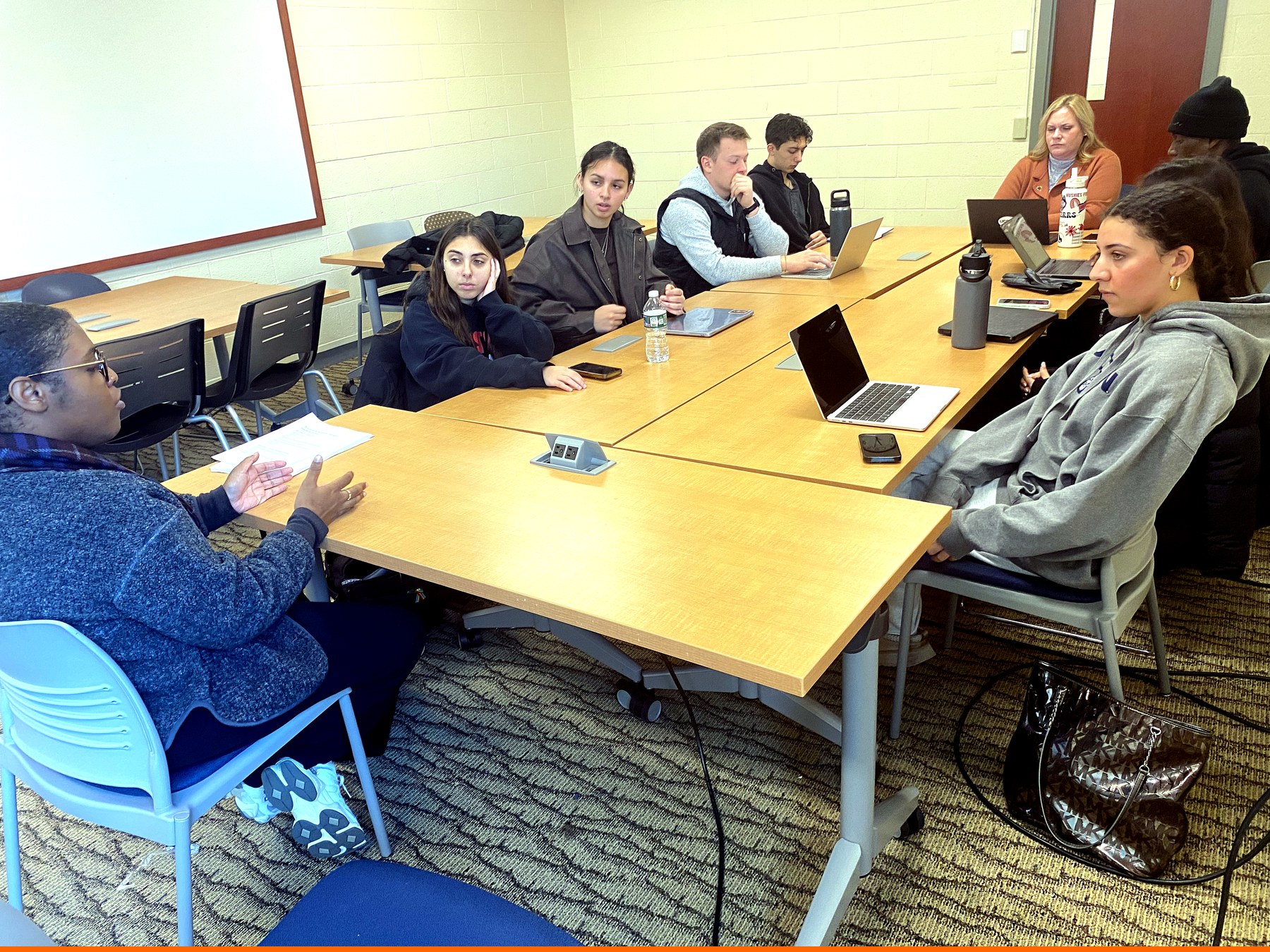
Hartford Youth Scholars is one of the organizations through which BFA tested a focused readiness workshop. At Central Connecticut State University we ran sixty minutes on the Know Yourself capability: scholars from eight Connecticut schools mapped their experiences, wrote accomplishment statements, and pitched themselves out loud with live feedback. One session, eight scholars, reported exactly as it happened. It also raised a larger design question for BFA: whether some readiness needs require more sustained support than a single session can provide.
confidence describing themselves, out of 5
would recommend it to a friend
from arrival to pitching themselves out loud
"My experiences can be small, they don't have to be big."
12TH GRADER · HARTFORD YOUTH SCHOLARS WORKSHOP
Different backgrounds. One goal: helping young people build the judgment, capabilities, relationships, and experience to navigate what comes next.
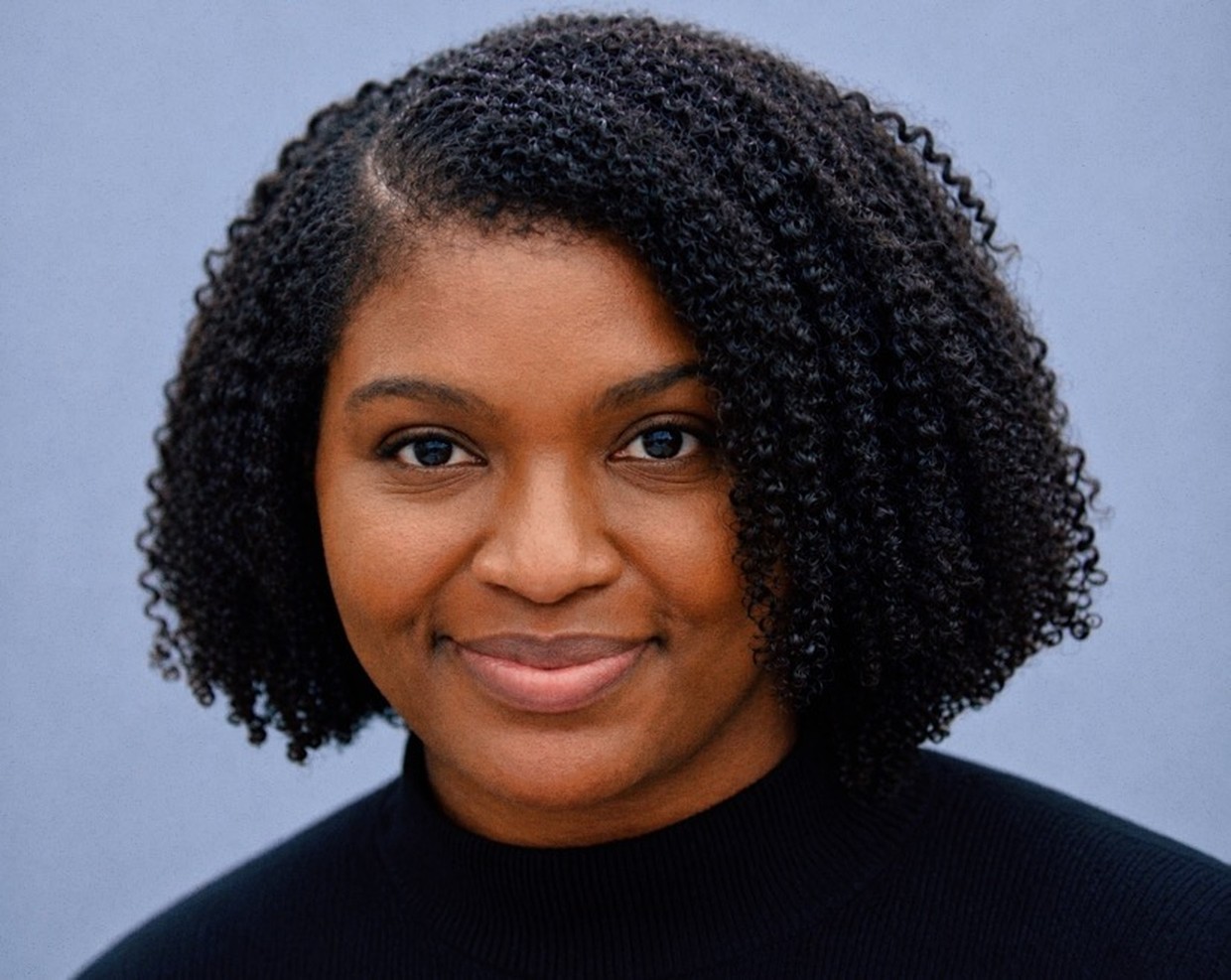
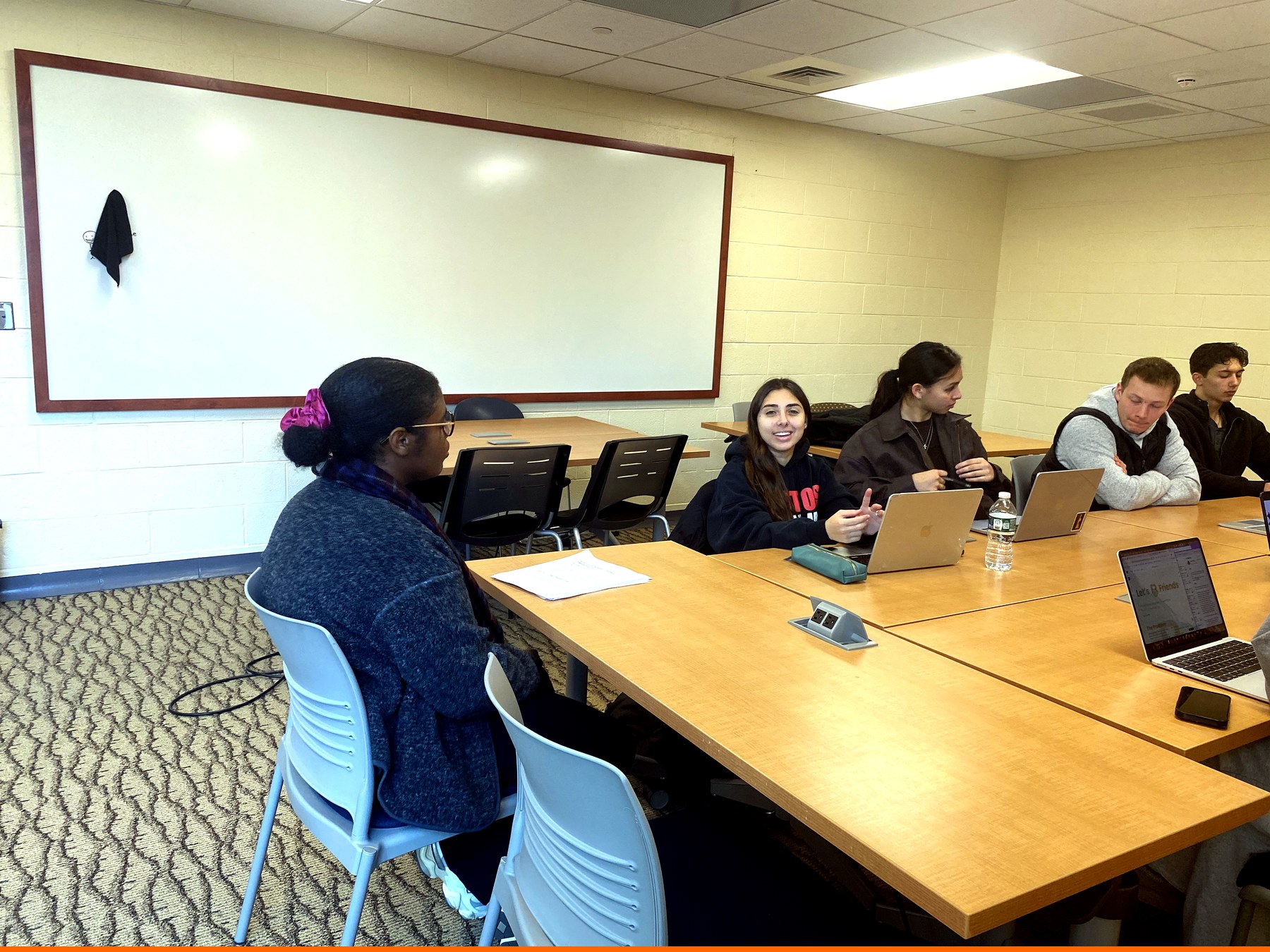
BFA's Board brings expertise across education, finance, community engagement, marketing, and entrepreneurship, with 4 standing committees overseeing governance, program quality, finance, and marketing & outreach.
Overall governance, leadership direction & organizational strategy
Fundraising, grants, donor engagement & financial sustainability
Brand, partnerships & recruitment
Curriculum quality, student experience & program evaluation
BFA is powered by a working board, facilitators, mentors, interns, and project-based volunteers who help deliver programs and build the organization.
Eight interns carry real organizational deliverables from June through August, across operations, communications, partnerships, and program development.
We welcome mentors, guest speakers, facilitators, opportunity connectors, researchers, and people who want to lend a professional skill. Reach out, there's a role for you here.
Your donation supports experiential programs, developmental relationships, student follow-through, and the connections that help young people turn preparation into stronger next steps.
BFA runs lean by design: virtual delivery, a volunteer mentor model, and a working board keep overhead small. Program delivery is our largest budget category, and the rest covers the operations, evaluation, and outreach that keep cohorts running and let us prove what works.
Workbooks, case studies, scenarios, simulation materials, and digital tools that put students inside the subject instead of in front of a lecture.
Mentor coordination, student check-ins, reflection, and the developmental support that helps learning continue beyond a single session.
Guest speakers, mentors, career conversations, reviewers, and other professionals who help students understand real paths and real expectations.
Marketing, school partnerships, and recruitment efforts that ensure every willing student, regardless of background, can find BFA.
Bookkeeping, platforms, and the evaluation infrastructure that turns each cohort into evidence for the next. Books are reconciled monthly, and financial statements are available to funders on request.
More than seventy young people reached, every number documented. Read the complete record of what BFA has built, who we have served, and what the students made.
Monthly giving creates the predictable funding BFA needs to plan for future cohorts, hire facilitators, and reach more students. Starting at just $10/month, you can sustain the mission year-round, and cancel anytime.
501(c)(3) · EIN: 33-3751028 · All contributions tax-deductible · Monthly giving available · $250+ donors receive receipt
Bold Futures Academy is a 501(c)(3) Nonprofit Organization (EIN: 33-3751028). All contributions are tax-deductible to the fullest extent allowed by law. Donors giving $250 or more will automatically receive a receipt for tax purposes.
We never sell or share donor information. Your privacy is our priority. Donor information is used solely for acknowledgment and reporting purposes.
Bold Futures Academy Foundation
153 Turner Road
Rockland, MA 02370
Checks payable to Bold Futures Academy Foundation.
Join us in preparing a generation for whatever path they choose.
Donate Now →Have questions about our programs? Interested in partnering? Want to mentor the next generation? We'd love to hear from you.
admin@boldfuturesacademy.org
boldfuturesacademy.org
Bold Futures Academy Foundation
153 Turner Road · Rockland, MA 02370
EIN: 33-3751028
Apply to LaunchLab or Ignite, or start with the Bold Futures Navigator, a starting map rather than a verdict.
Explore future-readiness support, LaunchLab, or additional developmental experiences for your students. Depending on the partnership, we can contribute facilitation, tools, practice, reflection, and follow-through.
Mentor, guest speak, offer a career conversation, review student work, or help open an opportunity.
Share a resource, open an opportunity, collaborate on research, sponsor a program, or fund the mission.
In 2023, our founder Ruth Gay started mentoring college students through UConn’s Werth Institute. No program, no plan. One person and a handful of students, meeting because they asked.
The same thing kept surfacing, and it was never anything missing in the students. They were sharp and driven. The help had simply reached them late. They were already choosing a major, a job, a direction, and nobody had walked them through what they were good at until the choices were well underway.
We saw that gap first through entrepreneurship, because that is where we were working. It turned out to be wider than that. So we started earlier, and built for every path rather than one.
One mentor, a handful of UConn students. No organization yet.
Bold Futures Academy becomes a 501(c)(3), built on work that started before the name did.
More than seventy young people reached. One former mentee came back as an intern and now helps lead our high school program.
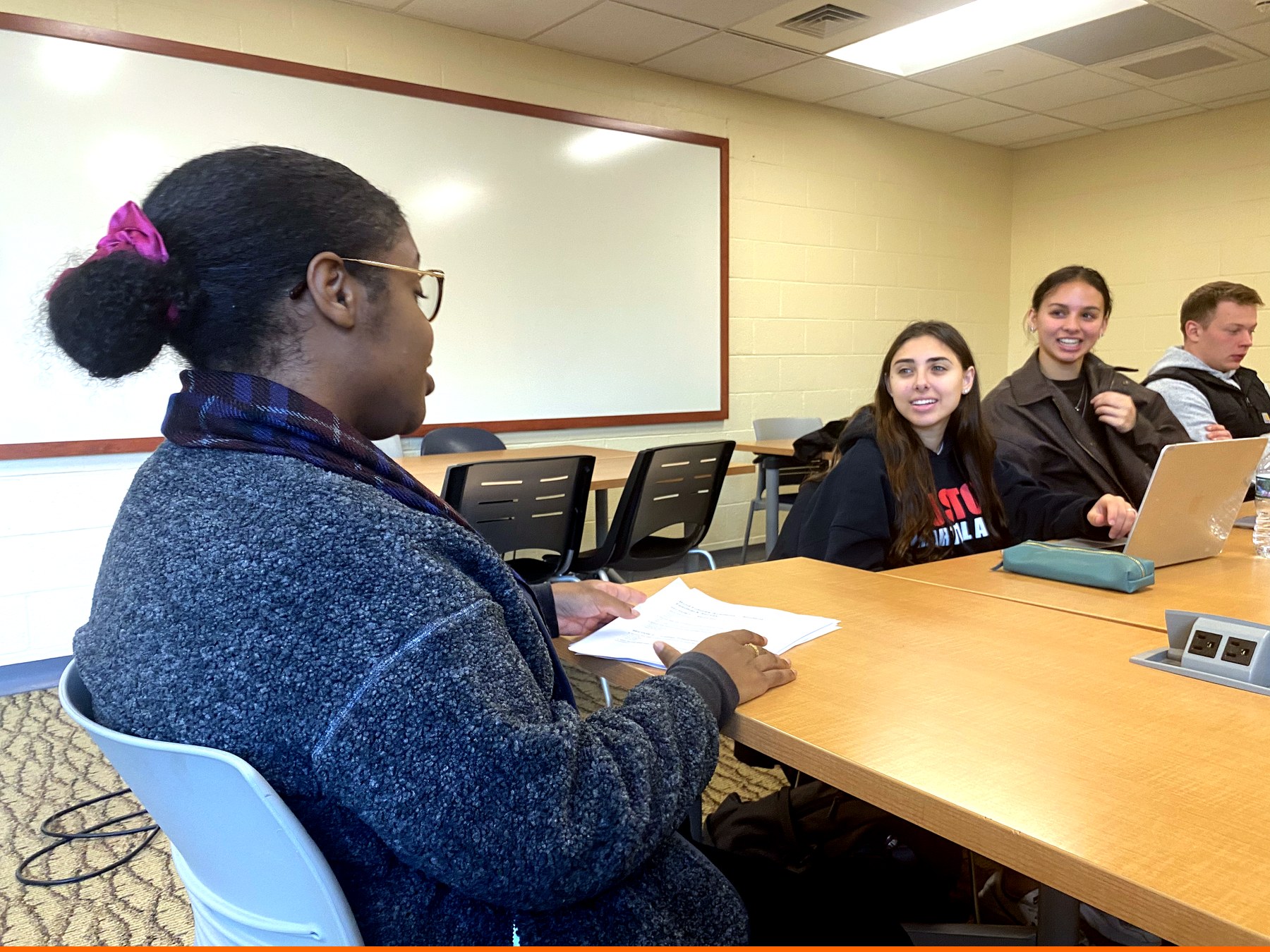
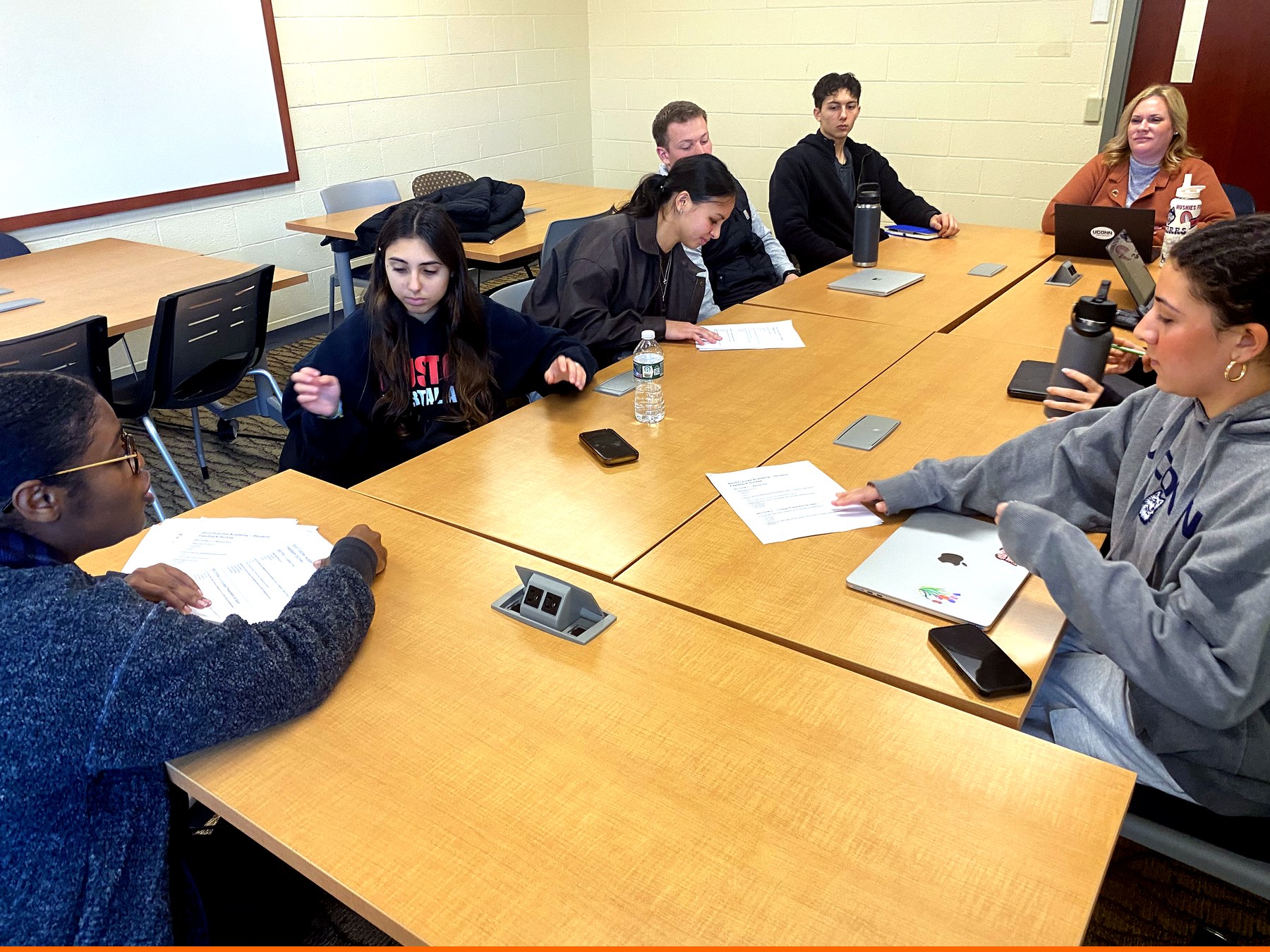
The students we mentored did not need somebody to decide their futures for them. They needed time to understand themselves, explore before committing, practice in real conditions, make sense of what happened, and use that evidence to choose what came next.
That changed the question BFA was asking. Instead of “Which program should we offer next?” we began asking, “What kind of growth does a young person need next, and what experience, relationship, tool, or opportunity can help them practice it?” The six-stage pathway below is the structure that grew from that shift.
To help young people understand themselves, build the capabilities every path requires, and learn from real experience so they can navigate what comes next with clarity and readiness.
A generation whose work fits their talents, whose judgment holds up under pressure, and who know how to keep learning, adapting, contributing, and opening doors for others.
This is the developmental pattern that grew out of the story above. The stages describe kinds of growth, not ranks, and students can revisit them as their lives and questions change.
Name strengths, interests, values, experiences, working preferences, and questions worth testing.
Starting point: a clearer self-profileExplore directions and practice communication, teamwork, self-management, help-seeking, money, and opportunity navigation.
Next: an exploration and preparation planUse inquiry, judgment, ethics, collaboration, prototyping, feedback, and responsible AI use on real work.
Evidence: artifacts and observed capabilityCompare paths, weigh tradeoffs, advocate for yourself, prepare applications, and make decisions using evidence.
Next: a documented decision and actionTake on real responsibility, adapt, deepen skills, build credibility and relationships, or deliberately change direction.
Evidence: work, feedback, and referencesMentor, facilitate, create opportunity, mobilize relationships, and help someone else move forward.
Evidence: contribution and leadershipBFA does not need to own every course, credential, internship, or opportunity. We help students prepare for the right experience, use it well, make sense of it afterward, preserve evidence, and choose a stronger next step. Partners extend the pathway with expertise and opportunities they already provide well.
Know the problem, context, and work before reaching for a tool.
Choose assistance deliberately rather than treating output as an answer.
Check claims, evidence, fit, bias, and quality.
Explain the result, disclose material AI assistance, defend the reasoning, and remain accountable for the final work.
Across every stage, these beliefs shape how BFA works with a young person and how we decide what support belongs next.
The Navigator is a starting map, not a verdict. We build from the student’s strengths, values, experiences, questions, and what they learn about themselves over time.
Students practice hard conversations, teamwork, judgment, building, pitching, feedback, and problem-solving before the consequence is a grade, a job, or a major life decision.
Mentors, professionals, peers, and partners help students ask better questions, see paths they may not know exist, and turn information into relationships and next steps.
We want young people who can make sound decisions when information is thin, people disagree, and doing the right thing costs something.
Trained in math, statistics, and economics. Years of corporate experience across operations, IT, and process improvement, including work as a scrum master and project manager.
"Bold Futures Academy began as an act of faith. Every time technology leaps, the people without the new skills get left behind. I was not willing to watch that happen to a generation I believe in.
This is also me giving something back. I would not have built a corporate career, or started ventures of my own, without people who spoke into my life at every stage. They gave me room to try, to get it wrong, and to keep going. That is why relationships and mentorship are intentionally built into how we work.
What I want for these students is simple. Know what you are worth and say it out loud. See the root of a hard problem instead of the symptom. Speak for yourself and your generation in any room you walk into. Be led by your ethics, not only by what pays. And know that whatever you build, somebody is behind you."
The Navigator is BFA's front door for self-understanding. Programs, mentoring, workshops, and partnerships give students places to test what they learn in the real world.
You do not need your future figured out before you begin. Start with the Bold Futures Navigator to put language to how you work, what you bring, and what may be worth exploring. If you apply to LaunchLab or Ignite, we use that starting point alongside conversation to understand you better.
Before applying to LaunchLab or Ignite, take the Bold Futures Navigator. It takes about fifteen minutes and gives you a starting map of your strengths, working preferences, interests, and possible next experiments. There are no wrong answers. We read the results alongside what you tell us, because an assessment is a starting point, not the full story.
Take the Navigator →Before you submit: please take the Bold Futures Navigator. It is part of this application and takes about fifteen minutes.
LaunchLab is a 6-week virtual entrepreneurship program for students in Grades 10–12. There are no right answers in this application, we are looking for authenticity, curiosity, and effort.
We review applications on a rolling basis and follow up by email
Every applicant is invited to a short info session before the cohort begins, to learn about LaunchLab and ask questions. Parents and guardians are welcome
Cohort dates, the application deadline, and the decision date are emailed to everyone who applies once the next cohort is set. The program runs six Saturdays, and orientation is the week before it begins
Grades 10–12 · 10 seats per cohort · Applications reviewed on a rolling basis
Having trouble with the form above? Open it in a new tab instead →
Not at all. Neither LaunchLab nor Ignite expects any prior business experience, and both are designed for students at all starting points. We are looking for curiosity, effort, and a genuine interest in learning, not a business background.
Yes. LaunchLab is delivered entirely online, every Saturday. This means students from anywhere in the country can participate, all you need is a computer and a good internet connection.
The program runs 6 weeks, with sessions on Saturdays from 11:30 AM to 3:00 PM EST. Students should also expect some light work between sessions as they develop their venture concept.
BFA programs are free to participating students. Partner fees, sponsorships, and philanthropic support cover the cost of delivery, so cost is never a reason a student cannot take part.
We review applications on a rolling basis and follow up by email. Once the next cohort is set, we email the six Saturdays, the application deadline, and the decision date to everyone who has applied. Every applicant is invited to a short info session before the cohort begins, and parents and guardians are welcome.
College students do not need to attend UConn to express interest. Availability depends on the current engagement, cohort, and mentor capacity. BFA’s relationship with UConn’s Peter J. Werth Institute began through alumni mentoring in 2023 and was formalized as a partnership in 2025. College students beyond UConn may also express interest when mentor and program capacity allows.
LaunchLab is our six-week entrepreneurship program for high school students in grades 10 through 12, where each student builds a venture and pitches it at Demo Day. Ignite is our flexible college mentorship line: students may come for entrepreneurial mentorship, college navigation, career preparation, workshops, guest speaking, or support making the transition out of undergrad.
Future readiness is woven across BFA’s programs and partnerships rather than limited to one standalone series. Depending on how a student connects with us, that may include the Bold Futures Navigator, mentoring, career and pathway exploration, communication and interview preparation, entrepreneurship and problem-solving, workplace readiness, reflection, or conversations about navigating an AI-shaped future. We are also expanding ways to bring this work into schools, nonprofits, colleges, internships, and other youth-serving programs.
Yes, for both LaunchLab and Ignite. It is a short assessment, about fifteen minutes, that helps you name your strengths and how you work best. We read it alongside your application, and the results are yours to keep either way.
We are happy to help. Reach out to us at admin@boldfuturesacademy.org and we will get back to you.
Bold Futures Academy works with schools, colleges, nonprofits, and companies that already serve young people. We add the readiness, reflection, relationships, or applied-learning layer that helps an experience become useful beyond the moment.
Start with the young people you serve and the gap you are trying to close. We will help identify the right route rather than force every partner into the same product.
Strengthen advisory, enrichment, after-school programming, internships, college-and-career exploration, or another transition point—or bring LaunchLab to students interested in entrepreneurship.
Add workshops, reflection, communication practice, exploration, or the Navigator around an existing student experience.
Offer a six-week entrepreneurship experience where students build, test, and pitch something of their own.
Career centers, entrepreneurship centers, and student-success teams already connect students to opportunity. BFA can add interpretation, practice, reflection, and relationship support around those opportunities.
Support internships, communication, self-advocacy, teamwork, judgment, and transitions into work.
Create structured check-ins that help students interpret what they are learning and decide what comes next.
BFA can complement an existing youth program with readiness workshops, reflection, mentoring, opportunity navigation, or a shared learning question—while your organization keeps doing the work it already does best.
Explore targeted readiness support—such as a focused session, reflection layer, or a sustained sequence we design and test together—to strengthen communication, self-understanding, decision-making, and transition skills.
Connect young people to the right BFA opportunity—or help extend the pathway with services and experiences you already provide well.
Companies can start with the role that fits their people, capacity, and goals. A partnership does not need to begin with a large sponsorship or a custom program.
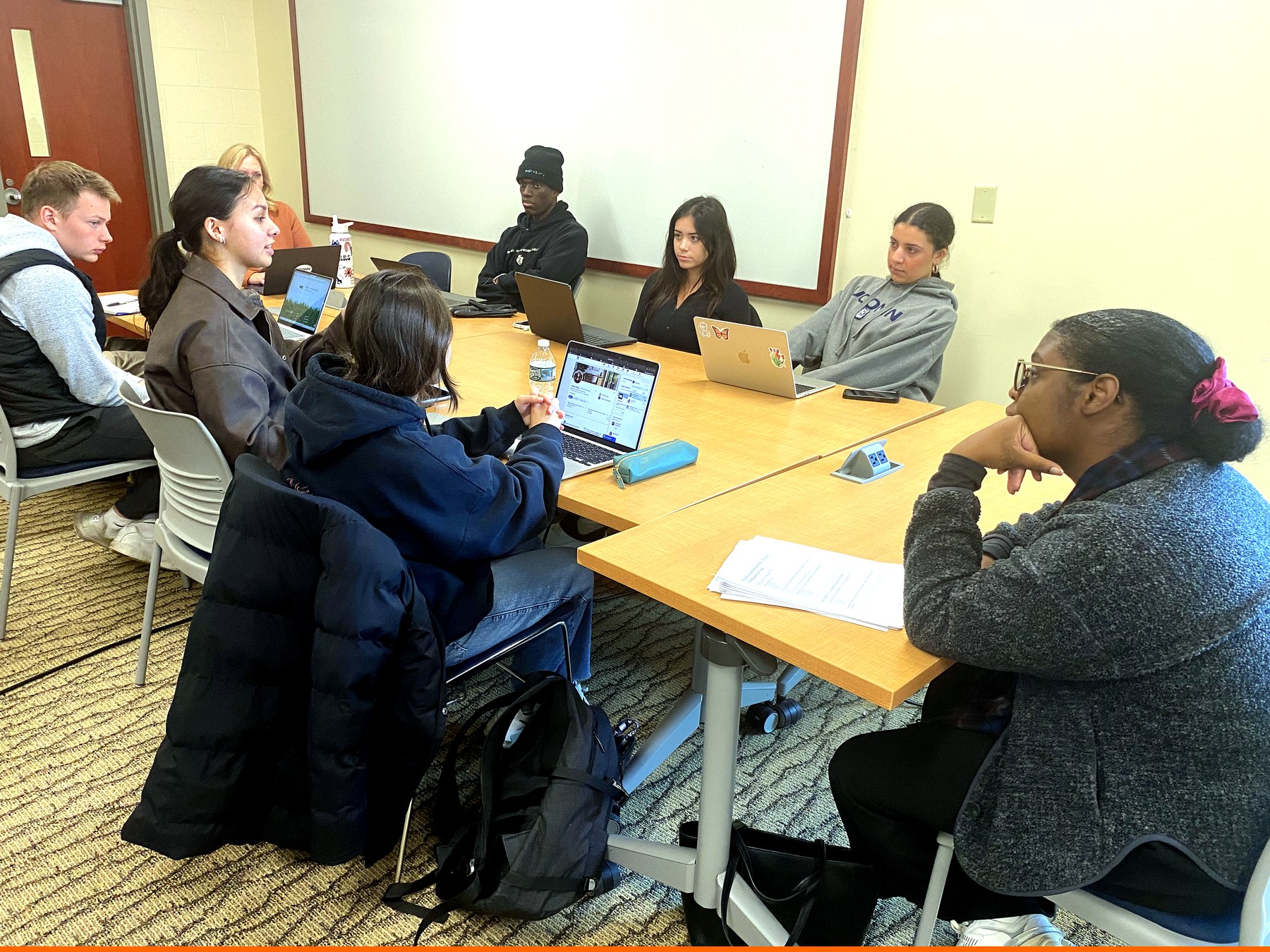
Underwrite student seats, a cohort, a bounded workshop sequence, or another clearly defined opportunity.
Mentor, review pitches, join an informational interview, speak about a field, or bring a specialist into a student project.
Support communication, feedback, self-advocacy, reflection, professional judgment, and translating an internship into evidence.
Explore a bounded challenge, paid project, site visit, job shadow, or another authentic work-connected experience.
Offer career exposure, technical training, certifications, site visits, projects, financial education, or another experience students can prepare for and learn from.
Strengthen methods, qualitative research, longitudinal follow-up, or shared questions about how young people make future decisions.
Offer a room for a workshop, Demo Day, career conversation, Roundtable, or another student-facing event.
Connect a student to the Navigator, LaunchLab, mentorship, a workshop, or another opportunity when it fits their next step.
Tell us the young people you serve and the problem you are trying to solve. We will tell you honestly whether BFA is the right partner.
BFA did not begin with a finished answer. We studied the broader youth-readiness landscape, listened to young people, tested programs and mentoring relationships, and compared what we were seeing with external research. This page shows the line of reasoning that shaped our current problem definition.
Our national sources are independent research. BFA program findings are early, local, and sometimes based on small samples. We use them to improve the next test—not to claim more than the evidence can support.
Early BFA work focused on entrepreneurship, mentoring, confidence, and practical skills. By 2026, a broader ecosystem scan forced a harder question: if assessments, workshops, programs, information, and opportunities already exist, why do so many young people still feel underprepared at major transitions?
No single statistic defines the problem. The pattern becomes more useful when we look across school engagement, postsecondary choice, developmental relationships, applied experience, and workplace expectations.
Gallup’s 2026 Voices of Gen Z study found about six in ten U.S. students ages 14–19 felt prepared for the future. Students who experienced more relevant schoolwork, stronger teacher connection, and greater recognition of their strengths were more likely to feel ready.
1,758 U.S. students ages 14–19 · May–June 2026
Gallup · Voices of Gen Z ↗Gallup, Walton Family Foundation, and Jobs for the Future found fewer than three in ten high-school students felt very prepared to pursue any postsecondary option that interested them. Knowledge of alternatives beyond four-year college or immediate work was also limited.
1,327 U.S. students ages 16–18 and their parents · April 2025
Gallup · Postsecondary Options ↗Search Institute’s developmental-relationships research describes relationships as a mechanism through which young people discover who they are, build agency, receive support, expand possibilities, and learn to contribute to the world around them.
Multi-study framework built from youth, parent, educator, practitioner, and research inputs
Search Institute · Relationships First ↗NACE found 96.1% of employers rated communication highly important, while 53.5% rated recent graduates very or extremely proficient. Similar gaps appeared in critical thinking, professionalism, and career self-development.
NACE 2024 Student Survey + Job Outlook 2025 · 237 employer respondents
NACE · Competency Perception Gap ↗In the 2025 Gallup postsecondary study, students who had college visits or work and internship experiences were among those most likely to describe those experiences as extremely helpful in shaping their plans. The signal reinforced a broader idea: readiness grows when young people can test possibilities, not only hear about them.
Same Gallup/Walton/JFF national study · April 2025
See the study ↗BFA’s 2026 strategic ecosystem review found dense supply in information, assessments, workshops, entrepreneurship, mentoring, college access, and workforce preparation. The more defensible gap was not “another program,” but the connective work between experiences: helping young people interpret, decide, demonstrate, relate, and move forward.
BFA internal strategic research · youth-readiness ecosystem and longitudinal-impact studies · 2026
Internal synthesis · not an external causal studyBFA’s own evidence does not represent young people nationally. Its value is different: it helped us see where the broad research was showing up in actual relationships, workshops, internships, and program design.
Repeated contact with college students surfaced demand for practical guidance, honest feedback, trusted people who remembered the context, and next steps concrete enough to act on.
Entrepreneurship and pitch-based sessions repeatedly required students to make sense of an idea, explain its value, receive feedback, and advocate for a direction.
Six students enrolled, four engaged meaningfully, and three reached Demo Day. The students who stayed produced real ventures, prototypes, and pitches; the funnel also made clear that a strong experience is not enough if students do not remain connected to it.
Average self-reported confidence in describing oneself rose from 3.5 to 4.1 out of five. The two students who did not move both described tables where nobody engaged.
Respondents rated the experience and BFA support highly and reported stronger clarity and confidence, while also identifying the need for clearer role framing, communication during pivots, and individual coaching.
Student forms, artifacts, mentor interactions, and facilitator observations are being used to study persistence, belonging, judgment, communication, reflection, and how outside insight gets translated into students’ own work.
Across national research, BFA’s ecosystem scan, and our early program learning, four ideas kept resurfacing.
Young people can know that options exist and still need help comparing them, testing fit, and deciding what to do next.
A project, internship, or program becomes more useful when a young person can name what changed, demonstrate what they can do, and carry that learning forward.
Trusted adults can expand possibilities, interpret feedback, open doors, and help a young person keep moving when one experience ends.
The work changes from self-understanding to exploration, applied practice, positioning, work, and leadership. A single workshop cannot carry every stage.
The gap BFA is studying is the conversion between potential, readiness, experience, and opportunity over time. That is why our model is evolving toward longitudinal navigation, applied experiences, reflection, developmental relationships, and a student-owned record of learning—not simply a larger menu of workshops.
The landscape already contains enormous amounts of information. The harder question is what helps a student use it.
Readiness develops through multiple transitions, relationships, experiences, and decisions.
That means insight → action, experience → evidence, relationship → opportunity, and reflection → better decisions.
We are early, so we do not treat every positive response as proof. We document what happened, what students said, what did not work, and what the evidence changed in the next version.
The point of measurement is not to make BFA look successful. It is to understand what young people are experiencing, what is helping, where the design is failing, and what should change next.
Directional evidence can guide the next test without being presented as representative proof.
A student who did not move can teach us as much about the design as a student who did.
Each source below ends with the design or strategic implication it produced.
Repeated contact with college students surfaced a consistent pattern: encouragement alone was not enough. Students valued practical guidance, honest feedback, relationships that lasted beyond one interaction, and concrete next steps they could act on.
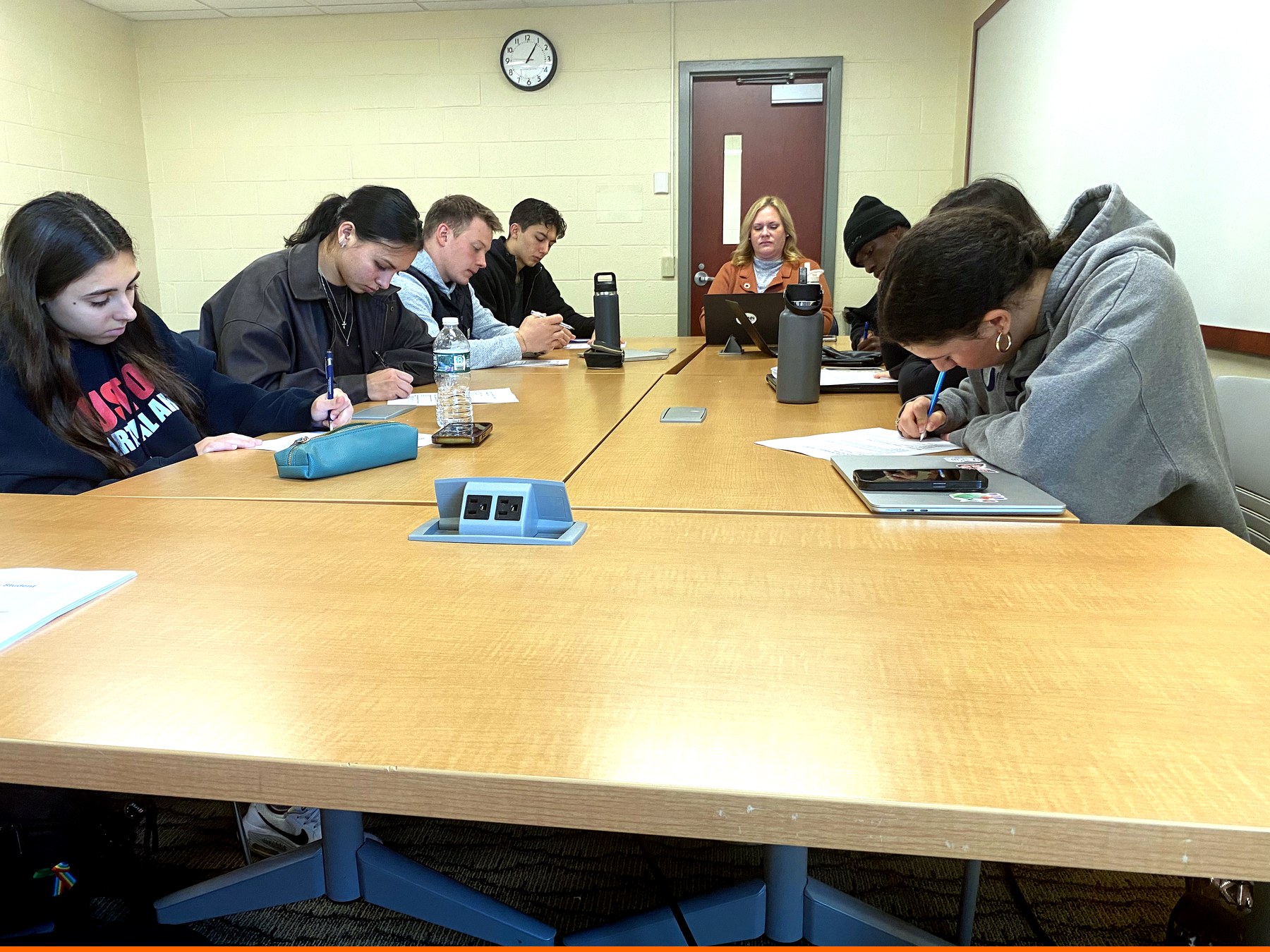
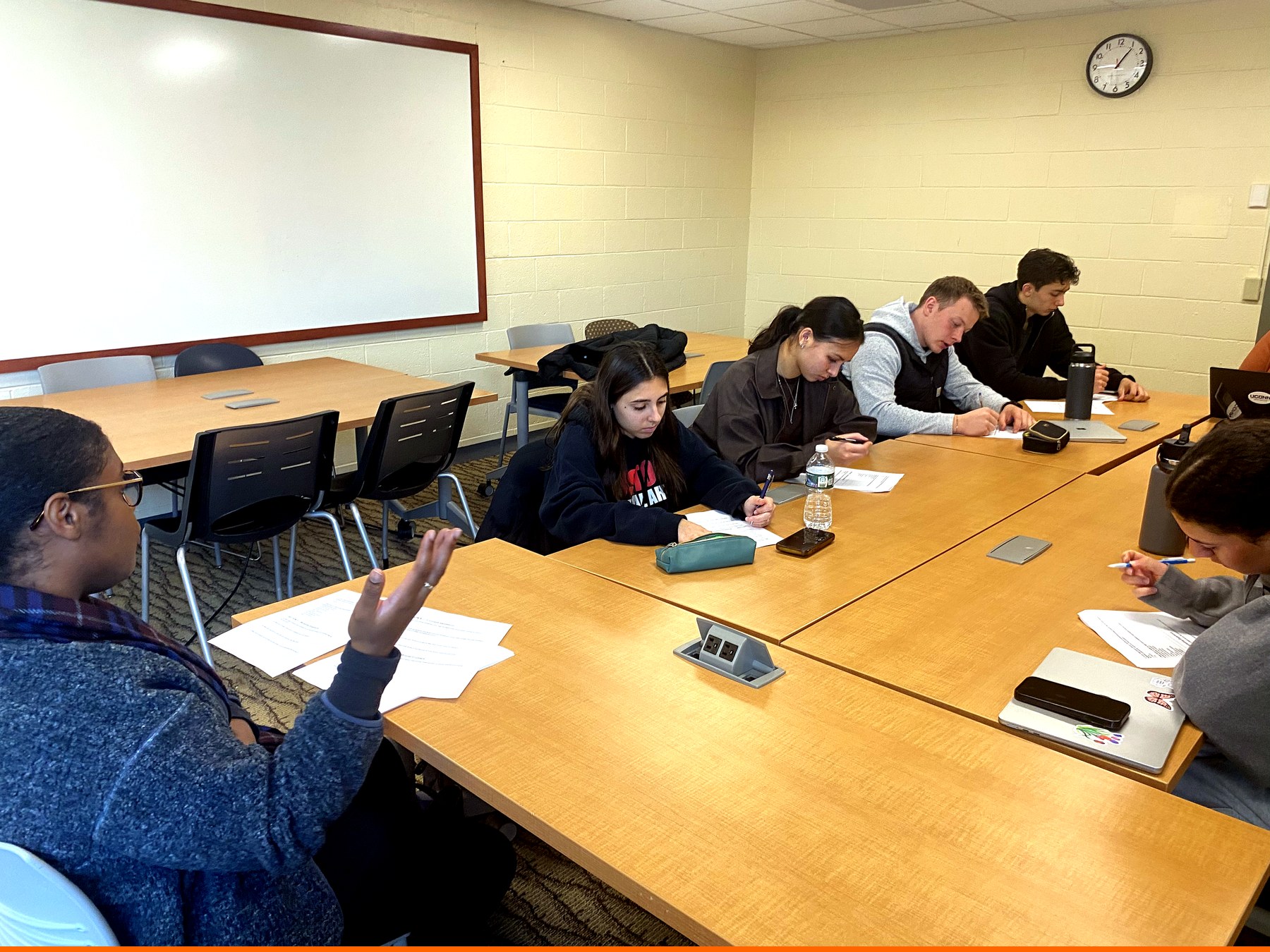
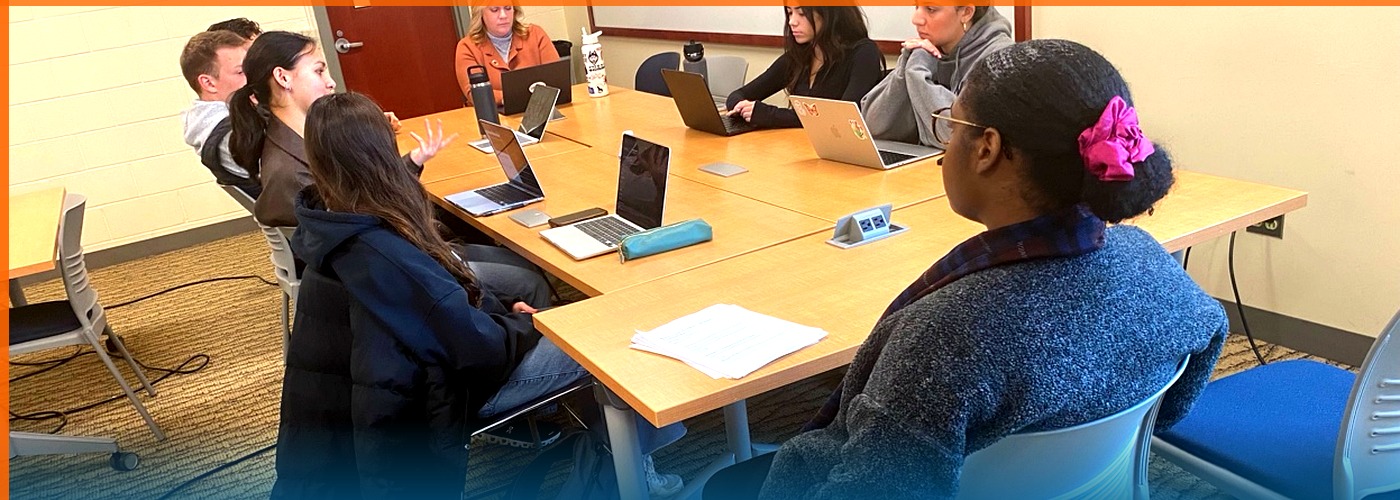
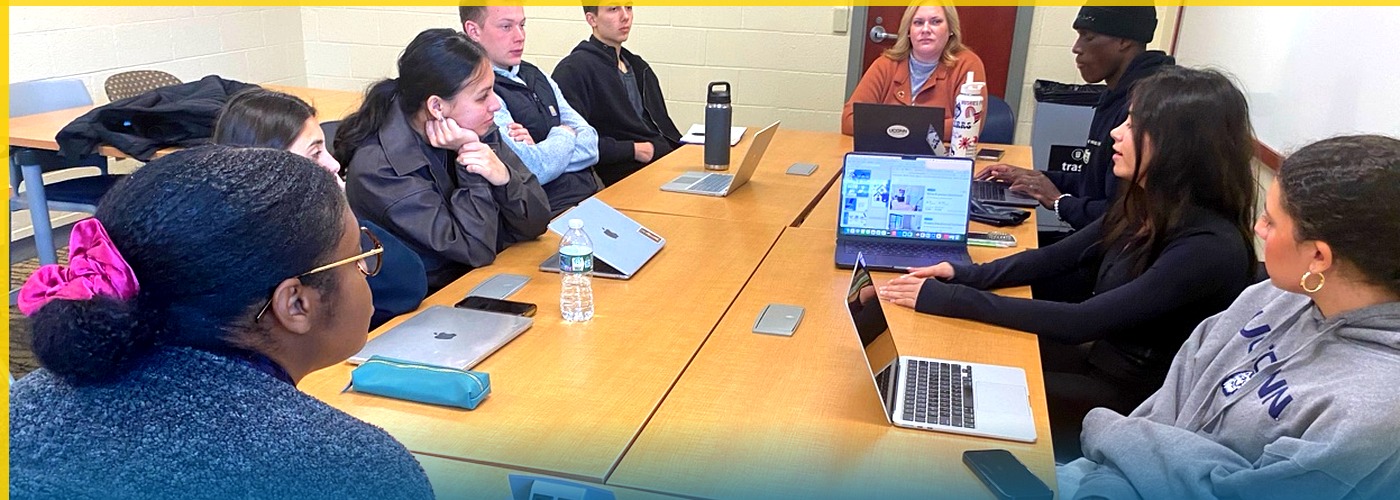
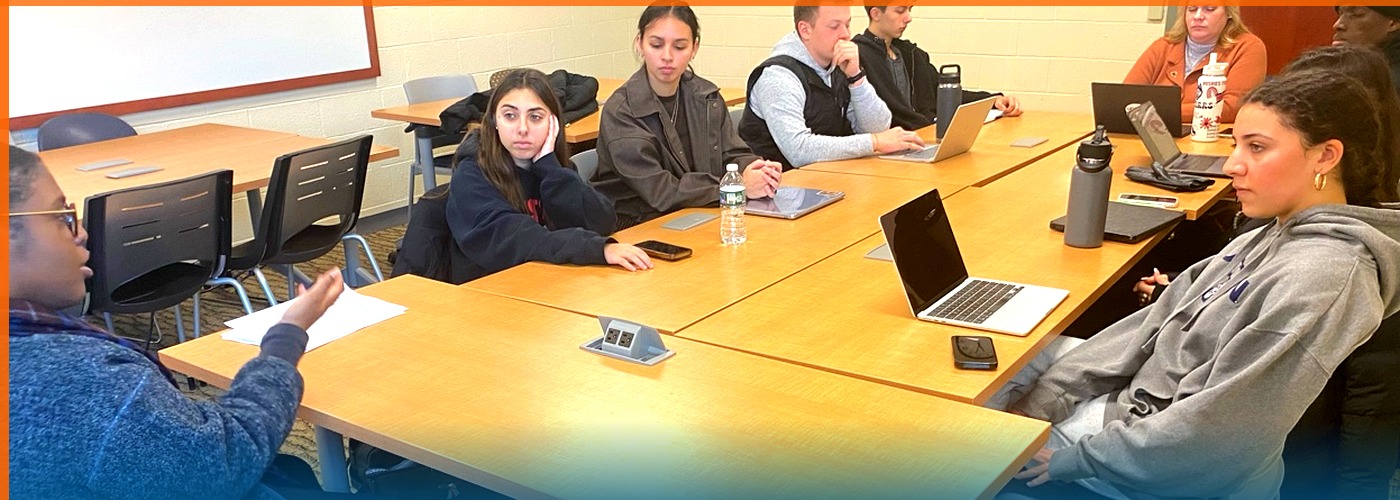
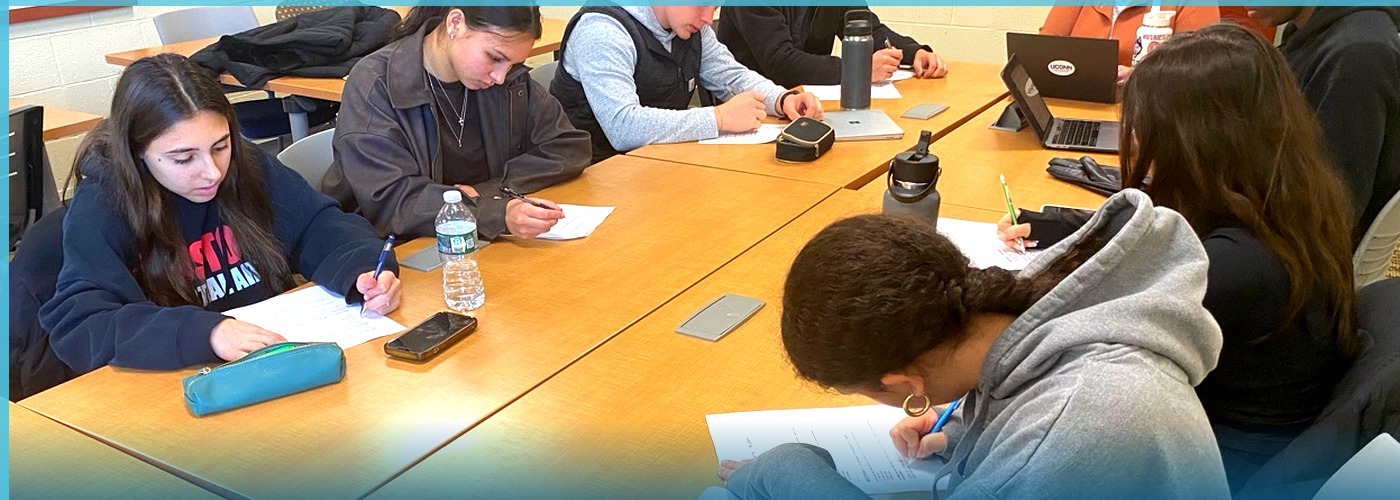
Two UConn working sessions asked students to sharpen a real business idea and make the case for it out loud. The November 2025 session collected feedback from all seven participants.
Six students enrolled in the first cohort; four engaged meaningfully and three completed Demo Day. Students who stayed built ventures, prototypes, and pitches, while the honest funnel exposed retention and support issues.
Average self-reported confidence in describing themselves rose from 3.5 to 4.1 out of five. Four scholars moved, two were already at the ceiling, and two did not move; both of those students described a table where nobody engaged.
Respondents averaged 4.8/5 for the overall experience and BFA support, 9.6/10 likelihood to recommend, and 4.2/5 for both career-path clarity and perceived ability to build or lead something.
Student forms, artifacts, mentor interactions, and facilitator observations are being used to watch persistence, belonging, communication, judgment, reflection, and how students translate outside insight into their own ventures.
Maleekha Fong first encountered BFA as a college student looking for guidance. The relationship continued through real work as a communications intern, and she later returned to help younger students as a LaunchLab co-facilitator and mentor.
This is one student story, not a representative outcome. It illustrates why BFA is interested in what becomes possible when support, practice, reflection, and responsibility can build across more than one moment.
Read Maleekha’s story →Young people need help making meaning from experiences, not only access to more experiences.
Capabilities become visible when students have to use them in real situations, not only discuss them.
Repeated, honest contact can create continuity that a single workshop cannot.
BFA wants to understand which factors influence consequential choices about education, work, entrepreneurship, and opportunity—and where timely support can make a difference at key transitions in an AI-shaped future.
We are especially interested in the interaction between self-understanding, family and lived experience, relationships, exploration, real work, feedback, access, financial realities, AI and technological change, and the timing of support. The goal is not to predict a young person's future. It is to understand the decision environment well enough to help them enter important transitions better prepared.
Read the current impact report, or contact us if your organization is interested in contributing to a research or learning question.
We work with young people, so privacy, clarity, and student control matter. This page separates current website and program practices from design commitments for a future longitudinal system. Last updated September 14, 2026.
Bold Futures Academy Foundation is a 501(c)(3) nonprofit organization, EIN 33-3751028, based at 153 Turner Road, Rockland, MA 02370. You can reach us any time at admin@boldfuturesacademy.org.
We only collect information you give us directly. Depending on what you do on this site, that may include:
To review applications, determine fit and available capacity, match volunteers to appropriate roles, run programs, stay in touch with participants, understand aggregate participation and outcomes, and improve what we offer. Information is collected for a stated purpose rather than “just in case.”
Most of our students are minors, and we treat their information accordingly. We collect only what we need to run the program. We do not sell it, rent it, or share it with advertisers, ever. We ask for guardian contact information where a program requires it, and we ask for permission before using any student photo, name, or work publicly. A parent or guardian may review, correct, or request deletion of their student's information at any time by emailing us.
We do not sell your information. We share it only with the service providers that make our programs run, and only to the extent they need it:
We keep two different kinds of records, and we treat them differently.
Ordinary application and program records, meaning the forms you submit, program rosters, and the notes we keep to run a cohort, are kept for up to three years, then deleted.
Future longitudinal and research records are proposed and have not launched as a production system. If BFA proceeds after governance and pilot approvals, participation in ordinary services will not automatically mean consent to research, institutional data sharing, or long-term follow-up. Those permissions would be presented separately and explained before information is used for those purposes.
Newsletter subscriptions last until you unsubscribe. You can ask us to delete your information sooner than any of the above, and we will.
You may ask to see what we hold about you, correct it, or request deletion. You may unsubscribe from our emails at any time. For a question or request, email admin@boldfuturesacademy.org. We will verify the request and explain any information we cannot remove because of an active legal, safety, or operational obligation.
These are design commitments, not a claim that the proposed system, data flows, or pilot are currently operating.
If we change how we handle information, we will update this page and the date at the top. If the change is significant, we will tell participants directly.
This page is for individuals who want to give their time, experience, relationships, or skills. You can mentor across a cohort, speak once, answer a student’s career questions, review a pitch, open a door, lend a professional skill, or join a Roundtable. You do not need a background in education. You need to be willing to show up honestly and help a young person see more clearly.
Every one of these shapes a student's experience directly, and none of them ask you to do it alone. Each application takes a few minutes, and we follow up to schedule a short conversation.
In LaunchLab and Ignite you are paired with the same student across a full cohort, so the relationship has time to become real. Most of what students need from you is not expertise. It is someone who asks good questions, remembers what they said last week, and tells them the truth when it would be easier not to.
Own and lead one segment of our Saturday sessions, guiding students through hands-on activities rather than lecturing at them. These applications are always open.
Spend a session with our students, telling them about your career, your work, or the path that brought you here. The unedited version is the useful one, closed businesses and career changes included.
Give a student thirty minutes to ask what your field is really like, how you got there, and what you wish you knew earlier.
Review a pitch, challenge, prototype, resume, or project and give honest professional feedback.
Know of an internship, job shadow, paid project, competition, scholarship, program, or person a student should meet? Help us open the door.
Help BFA coordinate student check-ins, mentor relationships, follow-up, developmental plans, and handoffs as our longitudinal model grows.
Past BFA interns carried real organizational work and left with deliverables they could point to. Interest requests are welcome; openings, timing, compensation, and project scope depend on approved capacity for each cycle.
If you have built something, funded something, or run programs before, there is a seat for you in how this organization grows. Board service, advisory roles, and short-term strategic help are all on the table.
Have design, writing, data, grant writing, or other skills you would like to put toward this work? Tell us what you would love to help with and we will find the right fit. Flexible, project based, and remote, and a good fit for skills-based corporate volunteering.
Volunteer with us →Ninety minutes, about ten seats, and one honest question about how young people get ready for what comes next. Employers, educators, parents, and young people sit at the same table, and students are always in the conversation rather than in the audience. Nobody is put on the spot, and nobody is asked to pretend the evening is charity on their part. Every organization present gets time on the record to talk about their own work and how someone could support it, and you do not need to be part of a BFA program to join one.
Schools, colleges, nonprofits, and companies partner with us differently. That work has its own page.
Take the Bold Futures Navigator for a starting map, or sign in to your Navigator portal if you chose to keep building your record with BFA. The LaunchLab Pitch Tool is a separate practice space for learning to make the case for an idea.
A structured assessment that helps you interpret strengths, lived experience, working preferences, possible directions, and next experiments. You do not need an account to take the assessment. If you choose to keep building your record with BFA, the secure portal lets you return to your actual Navigator, add experiences and reflections, document decisions, and review your BFA Year.
Open the Navigator →Sign in to my Navigator portal →A live room for practicing a pitch and getting honest, structured feedback. You make your case, reviewers respond, and you sharpen it on the spot. Built for LaunchLab sessions, and open to anyone who wants to get more comfortable telling the story of an idea.
Open the Pitch Tool →These tools are starting points, not verdicts. You do not need to decide your entire future today. You need better evidence about yourself and the possibilities you are considering, and the best version of any result is the one you talk through with someone who knows you.
Program news, application deadlines, and student stories, sent a few times a season. No spam, and you can unsubscribe anytime.